Severe storms can leave a beautiful landscape looking unrecognizable. Fallen trees, broken limbs, damaged roofs, flooded gardens, eroded soil, and scattered debris can create safety hazards and expensive cleanup challenges for homeowners. Knowing how to assess storm damage, determine which trees can be saved, and restore damaged yards and gardens helps protect your property, prevent additional problems, and bring your outdoor spaces back to life.
storm damage tree and land recovery
New Image Tree Solutions gathered information about storm damage tree and land recovery to help homeowners understand how severe weather affects trees, homes, lawns, gardens, and surrounding landscapes. This article explains how to identify hazardous trees, recover damaged soil and planting beds, determine when you need professional arborist services, and decide whether to prune or remove trees or shrubs. With appropriate recovery measures and preventive maintenance, homeowners can improve landscape safety and help their properties withstand future storms.
Key Takeaways for Storm Damage Tree and Land Recovery
storm damage tree and land recovery infographic
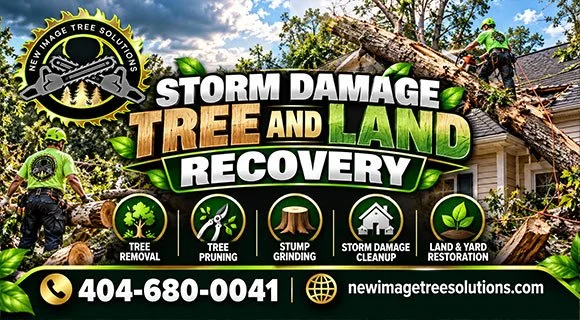
Prioritize safety before cleanup. Downed power lines, hanging limbs, split trunks, leaning trees, and unstable root systems can create serious hazards. Keep people and pets away from dangerous areas, and contact the utility provider or emergency services when appropriate. Never attempt to move a tree that is touching or near an electrical line.
Call a qualified arborist when you suspect structural damage. Large broken limbs, deep trunk cracks, uprooted trees, damaged roots, and trees leaning toward homes or driveways require professional evaluation. An arborist can assess structural stability and recommend appropriate pruning or removal.
Inspect homes and other structures. Storm-damaged trees can strike roofs, siding, fences, garages, sheds, and outdoor structures. Have professionals evaluate damaged structures, and arrange roofing or construction repairs when necessary. Do not climb onto damaged roofs or attempt dangerous debris removal.
Protect soil and prevent erosion. Heavy rainfall can wash away topsoil, expose roots, create gullies, and compact planting areas. Redirect runoff safely, stabilize bare soil, restore drainage where necessary, and use suitable mulch or ground cover to reduce future erosion.
Restore lawns and gardens gradually. Remove scattered debris, assess damaged plants, repair planting beds, and determine whether soil needs improvement before replanting. Avoid heavy equipment on saturated ground because it can compact soil and damage remaining roots.
Prune damaged trees correctly. Remove broken or hanging branches when a qualified professional determines it is safe. Proper pruning preserves healthy structure and limits unnecessary damage. Avoid excessive canopy removal, which can stress a tree and interfere with recovery.
Recognize when removal is necessary. Remove trees with extensive trunk failure, severe root damage, major structural instability, or advanced disease that makes them hazardous. Certain infestations can also contribute to removal decisions when they cause extensive decline or create unacceptable safety risks.
Schedule preventive maintenance. Regular inspections, timely pruning, disease monitoring, and drainage monitoring can help identify weaknesses before severe weather arrives. Remove dead branches and address hazards.
Replant strategically. Select tree and shrub species suited to local soil, available growing space, drainage, and mature size. Proper placement helps reduce conflicts with roofs, driveways, utility lines, and other structures as plants grow.
Work with experienced tree professionals. New Image Tree Solutions can help homeowners address tree care needs, storm-damaged vegetation, pruning, tree removal, and related landscape concerns. Professional guidance helps property owners make informed decisions about safety, recovery, and long-term landscape health.
Successful recovery involves more than removing visible debris. Assessing hazards, preserving viable trees, restoring damaged soil, and planning preventive maintenance allows homeowners to rebuild a healthier, more resilient landscape.
How Severe Storms Damage Trees and Landscapes
storm damage tree home and land recovery
The Atlanta region experiences thunderstorms, strong wind gusts, hail, heavy rainfall, and occasional tornadoes. Tropical systems moving inland can also bring damaging winds and prolonged rainfall. These conditions can affect individual properties or entire neighborhoods, leaving homeowners with fallen trees, damaged gardens, flooded lawns, and hazardous debris.
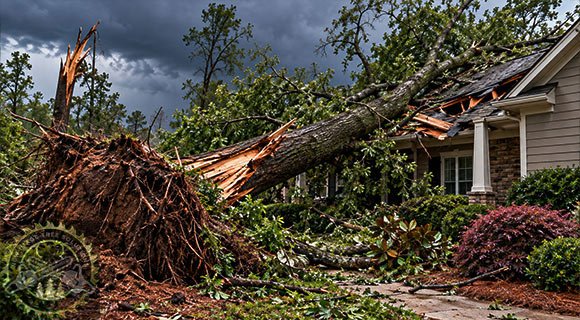
High winds can snap branches, split trunks, break major limbs, and uproot trees when root systems cannot withstand the force. Trees with existing decay, compromised roots, poor branch structure, or previous storm injuries may be particularly vulnerable. Saturated soil can reduce root stability.
Tree damage can extend beyond vegetation. Falling limbs or entire trees may strike homes, vehicles, fences, sheds, and patios. Branches can damage gutters, shingles, and other roofing components, creating openings that allow water into a house. Heavy debris may also block driveways, sidewalks, and access routes.
Hail can bruise foliage, damage tender shoots, and injure bark. Severe rainstorms can wash away mulch, expose plant roots, flood low areas, and carry nutrients away from garden beds. Waterlogged soil may deprive roots of oxygen, while standing water can create conditions that encourage root problems in susceptible plants.
Wind and rain can also damage shrubs, flower beds, vegetable gardens, and newly planted trees. Plants may lean, break, become uprooted, or lose foliage. Garden structures, raised beds, irrigation components, and landscape lighting can also sustain damage.
Not every damaged plant needs removal. Some trees and shrubs can recover with proper pruning, watering, and monitoring. First, determine whether the damage creates an immediate hazard or can be addressed through planned restoration.
What to Do Immediately After Storm Damage
storm damage tree and land recovery documentation
Begin by checking for immediate hazards. Keep away from downed electrical lines, unstable trees, hanging branches, and damaged structures. Contact the utility provider if electrical lines are affected. If a tree has fallen onto a house, do not enter areas where structural stability is uncertain.
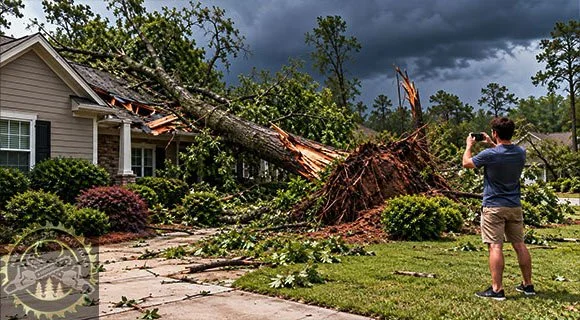
Once conditions are safe, photograph damaged trees, landscaping, fences, and structures before cleanup begins. These records may help with insurance documentation and contractor estimates. If a tree has damaged a roof or building, contact the appropriate roofing or construction professional in addition to a tree care specialist.
Avoid using chainsaws or climbing equipment to remove large limbs unless you have the appropriate training and equipment. Branches under tension can move unexpectedly, and partially uprooted trees may shift without warning. Leave complex removals and elevated cutting work to qualified professionals.
After addressing hazards, evaluate the rest of the property. Look for exposed roots, soil erosion, blocked drainage, damaged irrigation lines, broken garden structures, and plants out of position. Mark areas that need an inspection and prioritize work based on safety and the potential for additional damage.
When to Call an Arborist for Help
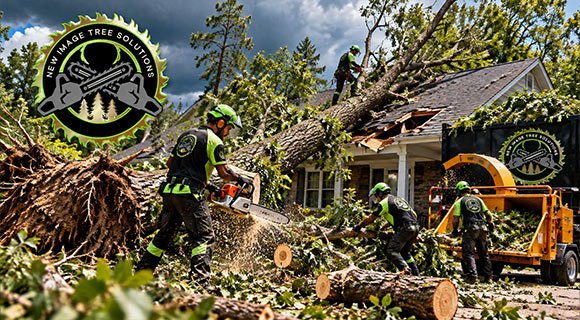
storm damage tree and land cleanup recovery
A qualified arborist can evaluate tree health, structural condition, and whether damaged trees can be retained safely. Professional assistance is especially important when storm damage affects large trees, mature specimens, or trees near occupied structures.
Contact an arborist when you notice a split trunk, major cracks, broken branches caught high in the canopy, significant root exposure, a newly leaning tree, or soil lifting around the base. A tree that appears upright may still have substantial root damage. Likewise, a broken limb that remains suspended overhead can fall without warning.
Professional assessment is also advisable when a tree has extensive bark damage, a hollow or decayed trunk, large dead branches, or a history of structural problems. An arborist can distinguish between damage that requires corrective pruning and conditions that make removal the safer option.
After storms, arborists can prioritize hazardous trees, recommend appropriate pruning, and help homeowners develop a recovery plan. Depending on the situation, they may recommend monitoring a damaged tree rather than removing it immediately. Avoid removing trees solely because they have lost leaves or have a few broken branches; the decision should reflect their condition, structural stability, and location.
When To Have Trees and Shrubs Pruned or Removed
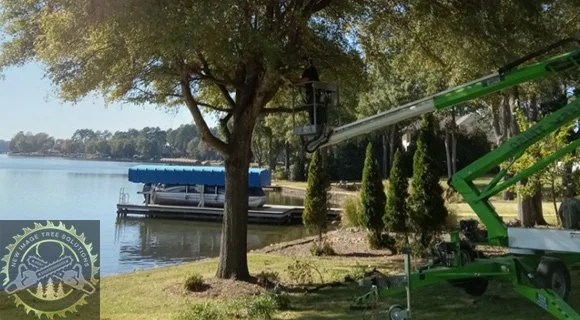
storm damage tree pruning or removal and land recovery
Tree and shrub maintenance includes plant health, safety, growing conditions, and potential conflicts.
Regular and preventive maintenance: Routine inspections can identify deadwood, rubbing branches, obstructed sightlines, and limbs growing too close to roofs or walkways. Selective pruning can improve branch structure and remove unhealthy growth. Shrubs may need periodic trimming to maintain clearance around windows, entrances, fences, and pathways. Pruning schedules should reflect the species, season, and plant condition.
Storm damage: Broken branches, split trunks, and uprooted trees require careful assessment. Small, accessible branches may sometimes be handled by a qualified homeowner using appropriate safety practices, but large limbs, elevated branches, and damaged trees near structures should be evaluated by professionals. A tree with extensive trunk splitting or major root failure may require removal.
Age and structural decline: Age alone does not mean a tree must be removed. Mature trees can remain valuable landscape assets when they are healthy and structurally sound. Removal may become necessary when advanced decay, a compromised trunk, extensive root damage, or repeated limb failure creates an unacceptable hazard.
Disease: Some diseases can weaken trees or cause progressive decline. For example, advanced oak decline with extensive structural deterioration, severe trunk decay, or substantial deadwood may contribute to a removal recommendation. Before treatment or removal, identify suspected diseases. Some diseases can be managed with pruning, sanitation, or other care.
Infestations: Insect activity can weaken trees by damaging foliage, bark, roots, or internal tissues. Severe infestations, including those that cause extensive vascular damage or contribute to widespread dieback, may leave a tree unsafe or unlikely to recover. Removal may be appropriate when infestation-related decline is extensive, and the tree creates a hazard. Some pests are subject to specific regulations, so homeowners should obtain professional guidance before moving or disposing of affected material.
Immediate danger: A tree that threatens a home, driveway, public walkway, or utility line requires prompt attention. Treat trees with a partially failed root plate, hanging limbs, or major trunk cracks as potentially hazardous. Keep people away and arrange a professional assessment as soon as conditions permit.
New Image Tree Solutions helps homeowners determine tree care needs and next steps for pruning, removal, and storm recovery.
Restoring Damaged Lawns, Gardens, and Soil
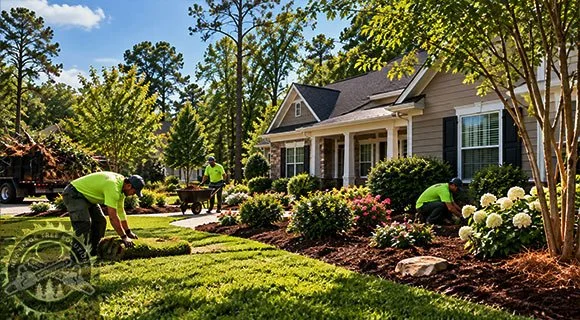
storm damage tree and land recovery and restoration
Landscape restoration can start once you address hazardous conditions. Start by clearing smaller debris and inspecting lawns, garden beds, irrigation systems, and drainage pathways. Avoid driving heavy machinery over saturated soil (pressure can compact the ground and damage roots).
Where erosion has removed topsoil, replace appropriate soil and stabilize exposed areas. Mulch protects soil from rainfall impact, while ground covers and suitable plantings provide longer-term stabilization. Avoid piling mulch against tree trunks, and do not cover exposed structural roots with excessive soil.
Garden recovery begins by assessing surviving plants. Remove broken or irreparably damaged vegetation, repair planting beds, and check whether drainage problems contributed to losses. Replace plants after these conditions are addressed.
Watering needs depend on soil moisture, species, and weather conditions. Avoid adding water to already saturated soil, but monitor recovering plants during dry periods. If the soil is contaminated with fuel, chemicals, or other hazardous materials, seek appropriate professional guidance before planting edible crops or allowing children and pets to use the area.
Replanting provides an opportunity to improve landscape resilience. Select species suited to local conditions, allow enough room for mature growth, and avoid placing large trees where falling limbs could threaten structures. A thoughtful planting plan can reduce future maintenance problems and support a healthier yard.
Call New Image Tree Solutions at 404-680-0041
storm damage tree and land recovery arborist services
Storm damage can make it difficult to determine which trees can be saved, which branches need attention, and which hazards require immediate removal. New Image Tree Solutions provides tree care services including tree removal, pruning, thinning, stump grinding, and emergency tree removal.
The company can help homeowners assess damaged vegetation, address hazardous limbs, and plan appropriate tree care after severe weather. Professional assistance is crucial when trees are large, unstable, close to a structure, or affected by significant disease or infestation.
For assistance with storm-damaged trees and landscape concerns, contact New Image Tree Solutions at 404-680-0041 or visit https://newimagetreesolutions.com/. Describe the property location, visible damage, and any immediate safety concerns when requesting service. Availability and the appropriate scope of work will depend on the circumstances and current scheduling.
Coordinated Storm Damage Recovery Across Georgia and Florida

storm damage tree and land recovery partnership
Severe storms often create multiple property damage problems at once, requiring more than one type of professional service. Fallen trees can damage roofs, broken branches can block driveways and access roads, and damaged structures may require repairs after hazardous debris removal. New Image Tree Solutions, New Image Line Solutions, and New Image Roofing Atlanta work together seamlessly to coordinate storm recovery.
New Image Tree Solutions focuses on tree-related hazards, including fallen trees, broken limbs, hazardous vegetation, emergency tree removal, and debris that threatens homes or surrounding property. New Image Line Solutions provides complementary line-service capabilities when storm recovery involves its area of expertise. Utility providers and authorized professionals handle electrical lines and utility infrastructure. New Image Roofing Atlanta addresses roofing damage, including missing shingles, damaged roof components, leaks, and other storm-related roofing concerns. Coordinating these services helps homeowners define repair priorities, improve site safety, and reduce delays.
When severe weather affects communities farther south, the recovery partnership extends to New Image Roofing Florida and D&D Village Construction. New Image Roofing Florida provides roofing services for its Florida service area; D&D Village Construction offers construction-related support for damaged building components and other restoration needs. Working together as needed, these companies help connect homeowners with complementary recovery resources across southern Georgia and Florida.
This coordinated approach is especially valuable when a storm damages trees, roofing, and structures on the same property or affects multiple homes throughout a neighborhood. By identifying required work and coordinating services, property owners can develop a more organized recovery plan instead of managing every problem separately. Service availability, project scope, and response times depend on location and current conditions.
For help with storm-damaged trees, roofing concerns, or related property recovery, contact New Image Tree Solutions at 404-680-0041 to discuss your needs and determine which services may be appropriate. Prompt assessment and coordinated repairs can help restore property safety, reduce additional damage, and support a more efficient recovery process.
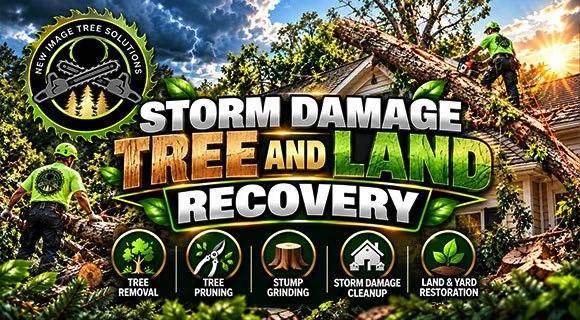
storm damage tree and property recovery
Protect Your Landscape Before and After Storms
Storm damage tree and land recovery requires homeowners to evaluate hazards, assess tree health, restore damaged soil, and repair affected gardens and outdoor spaces. Severe weather can damage trees, homes, lawns, and planting beds in several ways, making a coordinated response important. Knowing when to call an arborist and when pruning or removal is necessary helps homeowners address risks without removing trees that may recover.
Taking action and investing in preventive maintenance can improve household safety, preserve healthy trees, and reduce the chance that minor landscape problems become larger expenses. With professional guidance, homeowners can restore damaged yards, protect valuable plants, improve drainage, and establish landscapes better suited to withstand future storms.
Ignoring storm damage or postponing necessary maintenance can leave unstable trees, hanging branches, and damaged root systems near homes and walkways. Erosion may worsen, unhealthy plants may continue to decline, and unresolved drainage problems can damage lawns and gardens. Delayed attention can also increase restoration costs and create preventable safety hazards. Addressing problems early and working with qualified tree care professionals helps protect property, preserve landscape value, and support long-term outdoor health.
(404) 680-0041