Are you unsure how cold weather affects tree and landscape health? Dormant limbs, dropping temperatures, and frozen soil often leave homeowners guessing whether action is needed or if intervention could cause damage. Understanding proper winter pruning and mulching techniques removes uncertainty, protects landscapes from seasonal stress, and prevents costly issues once spring growth begins.

winter landscape pruning and mulching
New Image Tree Solutions gathered information about winter arborist practices, tree biology during dormancy, and landscape protection strategies that help trees, shrubs, and plants stay healthy through colder months. This guide explains why arborists prune during winter, how mulching supports root systems, and when professional care becomes necessary due to storm damage, infestation, or disease.
Why Winter Pruning Matters
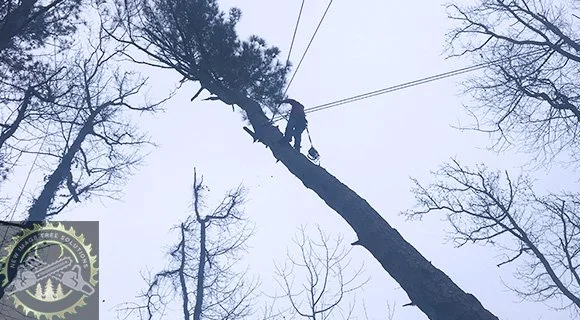
winter landscape large tree pruning
Winter pruning offers arborists a strategic advantage because trees enter dormancy after leaves fall. Without dense foliage, branch structure becomes easier to assess. Arborists can identify crossing limbs, weak growth, structural defects, and storm-prone branches without obstruction.
Dormant pruning reduces stress on trees. Cuts made during winter limit sap loss and encourage controlled growth once temperatures rise. This timing supports stronger branching patterns, improved air circulation, and balanced canopy structure. Many tree species respond better to pruning during colder months because energy reserves are stored within roots rather than directed toward foliage.
Winter pruning also limits insect activity. Many pests remain inactive in cold conditions, reducing the risk of infestation following pruning. Fungal pathogens spread less aggressively when temperatures drop, allowing trees to heal more effectively before spring growth begins.
Reasons Arborists Prune During Winter

arborists prefer winter landscape pruning and mulching
Arborists prune during winter for safety, structure, and long-term health. Removing dead or weakened limbs decreases risk during ice storms or high winds. Branches compromised by decay or previous storm damage can fail unexpectedly during winter weather.
Structural pruning corrects growth patterns early, preventing future issues such as overextended limbs or crowded canopies. Young trees benefit significantly from winter pruning (shaping early growth reduces maintenance needs later).
Shrubs also respond well to winter pruning. Selective trimming encourages fuller growth, improves flowering cycles, and eliminates dead wood that could harbor disease. Winter pruning allows shrubs to conserve energy and produce vigorous regrowth during spring.
Why Mulching Is Crucial During Winter
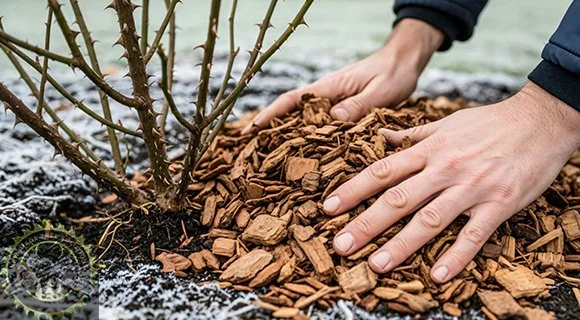
winter season landscape pruning and mulching
Mulching plays a vital role during the winter months by regulating soil temperature and conserving moisture. A proper mulch layer insulates roots from freeze cycles that cause soil expansion and contraction. This protection prevents root damage and instability.
Mulch helps retain moisture when the soil dries during colder periods. Even dormant plants require consistent moisture to maintain root health. Mulch reduces evaporation while improving water absorption during rainfall.
Organic mulch contributes nutrients as it slowly breaks down. This process supports soil health and strengthens microbial activity in root zones. Mulch also prevents weed growth that competes for water and nutrients.
Placement matters. Mulch should form a protective ring around trees and shrubs without direct contact with trunks. Piling mulch against bark retains moisture and encourages decay. Arborists recommend maintaining airflow around root flares while ensuring sufficient coverage throughout the root zone.
Winter Landscape Care Best Practices
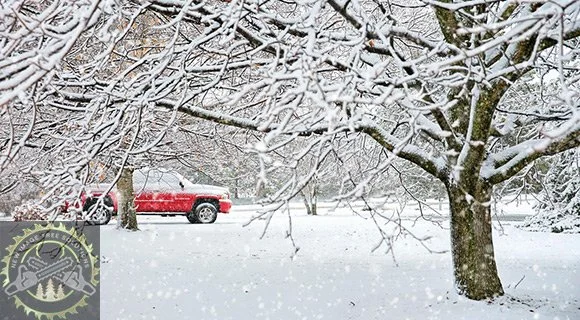
winter time landscape pruning and mulching
Property owners can support tree health during winter by combining pruning and mulching with proper observation. Monitoring trees after storms helps identify cracks, leaning trunks, or hanging limbs that require removal.
Watering during dry winter periods supports roots, especially for younger trees. Fertilize when an arborist confirms the need (excessive nutrients during dormancy may stress plants).
Avoid heavy equipment near frozen soil. Compacted soil restricts oxygen flow to roots and limits nutrient uptake. Arborist evaluations help determine safe maintenance steps based on tree species and site conditions.
When to Call an Arborist
winter landscape pruning and mulching to avoid tree failure
Calling an arborist becomes essential when trees display signs of stress, damage, or disease. Cracked branches, sudden leaf loss, fungal growth, or dead limbs indicate potential hazards.
Following storms, arborists assess structural integrity and remove dangerous growth before further damage occurs. Trees affected by pests or disease require professional diagnosis to prevent spread throughout landscapes.
Winter presents an ideal opportunity for arborist inspections. With reduced foliage, arborists can accurately evaluate internal structure and root stability. Early intervention limits emergency removals later.
Reveal more about ISA Certified Arborist activities and responsibilities at newimagetreesolutions.com/blog/arborist-a-complete-definition
Why Call New Image Tree Solutions
winter landscape arborist pruning and mulching
New Image Tree Solutions brings arborist-led expertise to winter landscape care. Their team understands regional tree species, soil conditions, and weather patterns that affect Georgia landscapes.
1. Professional pruning techniques enhance safety while promoting long-term tree health. New Image Tree Solutions uses industry-approved methods and equipment to preserve structural integrity during winter work.
2. Mulching strategies focus on soil health, moisture retention, and root protection. The team ensures correct placement and depth to support plant vitality without introducing decay risks.
3. Storm response services address fallen limbs and compromised trees quickly. Arborist evaluations determine whether pruning, treatment, or removal provides the safest solution for property owners.
When Trees, Shrubs, and Plants Should Be Pruned or Removed
winter landscape pruning and mulching best time
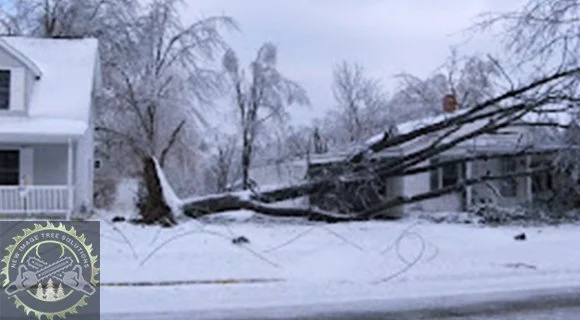
Storm damage creates immediate hazards requiring prompt action. Split trunks or hanging limbs threaten structures and walkways. When possible, arborists prioritize safety while preserving viable growth.
Infestations often worsen during dormancy when damage remains hidden. Early signs such as exit holes, bark splitting, or discoloration require professional assessment before spring emergence.
Disease weakens the internal structure and spreads rapidly when untreated. Arborists identify infected growth and determine removal needs to protect surrounding plants.
Some trees require complete removal when the risk outweighs recovery. Arborists evaluate root stability, trunk integrity, and canopy health before recommending removal.
Key Takeaways for Winter Pruning and Mulching
avoid tree failure with winter landscape pruning and mulching
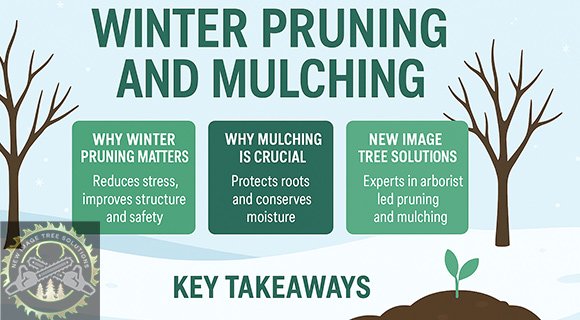
Winter pruning and mulching form a proactive approach toward landscape health. Dormant season pruning minimizes stress while improving structure and safety. Arborists use winter visibility to correct growth issues and eliminate hazards before storms intensify.
Mulching provides critical insulation for roots, stabilizes soil temperature, and preserves moisture during fluctuating winter conditions. Proper application protects trees, shrubs, and plants from freeze damage without interfering with trunk health.
Professional arborist involvement ensures pruning aligns with tree biology rather than aesthetics alone. Species-specific techniques determine where cuts encourage healthy regrowth instead of triggering decay or instability.
Storm recovery remains a priority during the winter months. Arborists assess damage early, reducing liability and preventing emergency situations later. Preventive pruning reduces the risk of failure during severe weather.
Infestations and disease require timely diagnosis. Inspections increase detection accuracy and allow treatment planning before spring growth resumes.
winter landscape pruning and mulching information
Combining pruning, mulching, and monitoring creates a resilient landscape thriving year-round. Property owners who schedule winter maintenance reduce repair costs, extend a tree's lifespan, and maintain curb appeal.
Partnering with an experienced arborist service ensures work meets safety standards and supports long-term ecological health. Winter represents an opportunity rather than a risk for thoughtful tree care decisions.
Winter Tree and Landscape Care
In this article, you discovered how winter pruning strengthens tree structure, why mulching protects root systems, and when arborist services prevent damage caused by storms, pests, or disease. Understanding seasonal tree behavior empowers property owners to protect their landscapes during colder months.
Applying these practices results in healthier growth, fewer hazards, and improved visual appeal once spring arrives. Trees and shrubs maintained during winter respond with stronger branching, vibrant foliage, and increased resilience.
Ignoring winter pruning and mulching increases the risk of failure, disease spread, and costly removals. Delayed care often leads to weakened trees, property damage, and irreversible decline once growth resumes.
Sources:
fieldreport.caes.uga.edu/news/winter-is-a-great-time-to-prune-overgrown-trees-and-shrubs
extension.umn.edu/yard-and-garden-news/winter-good-time-prune-trees-and-shrubs
(404) 680-0041