Tree Removal Permit - Atlanta, Georgia
Atlanta stands among major metropolitan hubs in southeastern United States, blending deep history with rapid growth. Founded in 1837 as a railroad terminus, the city evolved into a transportation, business, and cultural center. Today, Atlanta is recognized for dense urban canopy that has earned nickname “City in a Forest.” Mature hardwoods, towering pines, and diverse native species define neighborhoods from Buckhead to Grant Park. With steady redevelopment, infill construction, and storm events, property owners frequently face questions about tree removal permit requirements.
Atlanta sits within USDA Plant Hardiness Zones 8a and 8b. This climate supports long growing seasons and wide variety of hardwood and evergreen species. Summers bring high humidity and average temperatures ranging from mid 70s to low 90s. Winters remain relatively mild, with average lows in low to mid 30s and daytime highs in 50s. Annual rainfall averages approximately 50 inches, contributing to vigorous tree growth but also increasing risk for fungal disease, root instability, and storm damage.
tree removal permit atlanta georgia
New Image Tree Solutions gathered essential tree permit information about City of Atlanta requirements, arborist review process, recompense standards, exemptions, and proper procedures for safe and compliant tree removal. This guide outlines when permits are required, when they are not, how recompense works, and why professional arborist evaluation protects property owners from fines and unnecessary risk.
DEAD, DYING, & HAZARDOUS (DDH) TREE PERMITS
HOW TO APPLY FOR A DDH TREE REMOVAL PERMIT VIA ACCELA CITIZEN
Tree Protection in the City of Atlanta
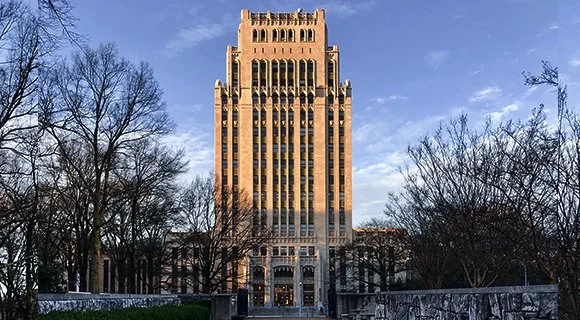
tree removal permit atlanta georgia city hall
Atlanta maintains one of most comprehensive tree protection ordinances in Georgia. Regulations fall under Atlanta Code of Ordinances - Chapter 158, Article II - Tree Protection. City prioritizes preservation, replacement, and canopy coverage as development continues.
Tree removal permits are administered through:
City of Atlanta Arborist Division
Department of City Planning - Arborist Division
55 Trinity Avenue SW
Atlanta, GA 30303
Phone: 404-330-6874
Website:https://www.atlantaga.gov
David Zaparanick, M.L.A. Aboricultural Manager
Email:dzaparanick@atlantaga.gov
Phone: (404) 865-8489
Click here to see the full list of Field Inspectors (designated by zip code) and Plan Reviewers.
Email inquiries are typically routed through the Arborist Division contact portal on the city’s website. The Arborist Division reviews permit applications, conducts inspections, determines recompense requirements, and ensures compliance with canopy protection goals.
To report a problem or complaint regarding trees (illegal activity or destruction, dying trees on private property, improper construction fencing, etc.), please email arborist.dpcd@atlantaga.gov or call 404-330-6874.
A record will be created in Accela Citizens Access (ACA) for tracking purposes. You can check the status by calling the city or logging into ACA.
When a Tree Removal Permit Is Required in Atlanta
Permit requirements vary based on tree type, size, and location. In general, a permit is required when removing:
Any hardwood tree with diameter at breast height DBH of 6 inches or greater
Any softwood tree with DBH of 12 inches or greater
Any tree designated as specimen tree based on size threshold outlined in ordinance
Any tree located within required setback areas or critical root zones during construction
Any tree on commercial, multifamily, or mixed use property meeting DBH thresholds
DBH is measured at 4.5 feet above ground level. Arborist staff uses this measurement to determine regulatory classification.
Specimen trees receive elevated protection. These trees meet larger DBH standards based on species and are considered significant contributors to canopy. Removal requires permit approval and typically triggers recompense at higher rate.
Permit applications generally include:
Site plan showing tree location
Species identification
DBH measurement
Reason for removal
Photographs
Proposed replacement plan if required
Failure to secure permit prior to removal can result in fines and additional recompense obligations.
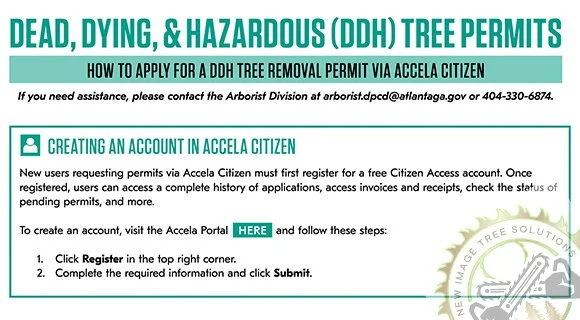
dead dying hazardous tree removal permit atlanta georgia
DEAD, DYING, & HAZARDOUS (DDH) TREE PERMITS
HOW TO APPLY FOR A DDH TREE REMOVAL PERMIT VIA ACCELA CITIZEN
When a Permit Is Not Required
Certain situations allow removal without permit:
Dead trees verified by arborist
Hazardous trees posing imminent risk to life or property
Invasive species identified under city guidelines
Trees under minimum DBH threshold
Trees damaged beyond recovery due to storm events
Even when permit is not required, documentation is strongly recommended. Property owners should photograph damage and obtain arborist verification. City may request evidence if questions arise after removal.
Emergency removal following severe storm often qualifies for exemption. However, contacting the Arborist Division prior to removal is prudent when feasible.
Recompense Requirements in the City of Atlanta
Recompense refers to compensation for loss of protected tree canopy. When removal is approved, city may require one or more of following:
Replacement planting on same property
Payment into Tree Trust Fund
Combination of planting and payment
Recompense calculations depend on DBH, species, and classification. Specimen tree removal typically requires higher replacement value. Replacement trees must meet minimum size requirements and approved species list.
If site lacks space for adequate replanting, payment into Tree Trust Fund may satisfy balance.
Funds support canopy restoration projects across city.
Understanding recompense before removal helps property owners budget appropriately and avoid unexpected expenses.
Key Takeaways for City of Atlanta Tree Removal Permit Requirements
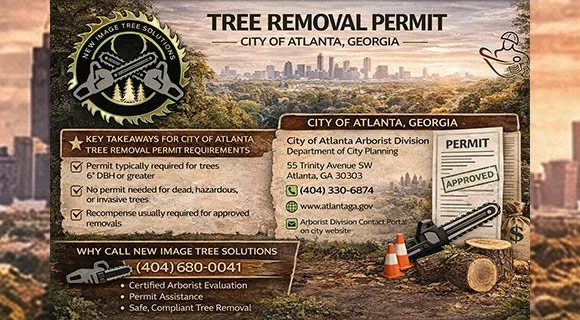
tree removal permit information atlanta georgia
The city of Atlanta enforces detailed tree protection standards designed to preserve urban canopy while allowing responsible development. Property owners must understand DBH thresholds, species classification, and specimen tree designation prior to removal. Hardwood trees measuring 6 inches DBH or greater and softwood trees measuring 12 inches DBH or greater generally require permit review. Specimen trees receive enhanced protection and often involve significant recompense obligations.
The Arborist Division under the Department of City Planning administers permit process. Applications require accurate site plan, DBH measurement, species identification, and clear justification for removal. Inspections may occur before approval is granted. Removing regulated tree without permit can result in fines, stop work orders, and additional replacement costs.
Recompense represents key component of ordinance. When approved removal reduces canopy coverage, replacement planting or payment into Tree Trust Fund restores environmental balance. Calculation depends on tree size and classification. Specimen tree removal often carries higher financial responsibility.
Exemptions exist for dead, hazardous, storm damaged, or invasive trees. However, documentation remains critical. Photographs, arborist letters, and communication with city protect property owners from disputes.
Construction projects require heightened awareness. Trees within setback areas, critical root zones, or grading impact zones may trigger review even if not being directly removed. Tree protection fencing and root zone preservation frequently become conditions of permit approval.
Calling a certified arborist before submitting application ensures accurate DBH measurement, species identification, and hazard assessment. Professional guidance reduces risk of denial, costly delays, or compliance violations.
Ultimately, Atlanta tree ordinance balances growth with canopy preservation. Compliance safeguards property value, environmental health, and community aesthetics while preventing financial penalties.
When to Call an Arborist
Property owners should contact certified arborist when:
Tree shows signs of decay, cavities, or fungal growth
Lean increases after heavy rainfall
Large limbs hang over structures
Construction plans affect root zones
Unsure whether tree qualifies as specimen
Need documentation for hazardous classification
An arborist evaluation includes structural assessment, root stability analysis, disease diagnosis, and DBH measurement. A written report strengthens your permit application and provides clarity regarding recompense.
Note: Attempting removal without professional assessment may result in misclassification and ordinance violation.
Call New Image Tree Solutions (404) 680-0041
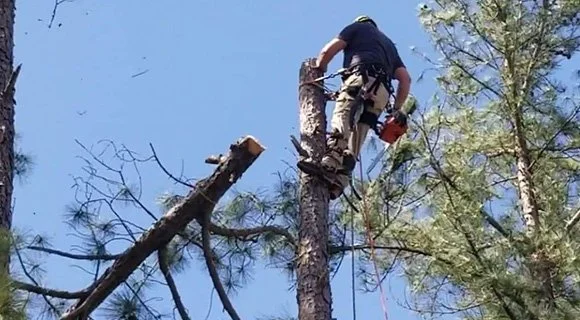
arborist tree removal permit atlanta georgia
New Image Tree Solutions provides professional guidance through Atlanta permit process. The team understands Arborist Division procedures, documentation standards, and recompense calculation framework.
Services include:
On site evaluation and DBH measurement
Species identification and specimen assessment
Permit application assistance
Hazard documentation
Safe and compliant removal
Replacement planting coordination
The company prioritizes safety, regulatory compliance, and canopy stewardship. With extensive knowledge of Atlanta ordinances, New Image Tree Solutions helps homeowners and developers avoid delays, fines, and unnecessary costs.
Calling 404-680-0041 connects property owners with experienced professionals who streamline permit approval and execute removal with precision.
When to Have Trees, Shrubs, and Plants Pruned or Removed
Storms frequently weaken trees across Atlanta. High winds, saturated soil, and lightning strikes create structural instability. After severe weather, property owners should inspect for:
Split trunks
Uprooted root plates
Cracked limbs
Sudden lean
Infestations also warrant attention. Pests such as emerald ash borer can rapidly decline tree health. Fungal diseases like root rot compromise structural integrity. Dead or dying trees pose falling hazard and may qualify for permit exemption when verified.
Pruning improves structural stability and reduces storm risk. Removing crossing limbs, deadwood, and excessive canopy weight promotes long term health.
A permit is typically not required for pruning unless activity impacts protected root zone during construction. Removing dead or hazardous tree may also qualify for exemption when properly documented.
Routine maintenance protects property, enhances aesthetics, and reduces emergency removal scenarios.
Atlanta Tree Removal Requirements
This article explained Atlanta's tree removal permit requirements, including DBH thresholds, specimen tree standards, recompense obligations, and exemption categories. It identified Arborist Division contact information, outlined permit application components, and clarified when professional arborist evaluation becomes essential.
By following these guidelines and consulting qualified professionals, property owners maintain compliance, protect canopy coverage, and avoid costly penalties. Responsible planning ensures safe removal while preserving environmental integrity that defines Atlanta landscape.
Ignoring permit requirements can result in fines, legal complications, and unexpected financial burden through unplanned recompense. Failure to assess hazardous trees may also increase liability risk and property damage exposure. Acting proactively protects both investment and community canopy.
Sources:
atlantaga.gov/home
planthardiness.ars.usda.gov
gatrees.org/urban-community-forestry
(404) 680-0041