Tree Removal Permit - Dunwoody, Georgia
Dunwoody, Georgia sits in northern DeKalb County, just outside Atlanta perimeter. Once a quiet crossroads community near old railroad lines, this city officially incorporated in 2008 and quickly became known for established neighborhoods, mature hardwood canopies, and strong municipal planning. Rolling terrain, creeks, and heavily wooded residential lots define much of local landscape. With growth has come a careful balance between development and preservation, especially when it comes to tree removal.
Dunwoody lies within USDA Plant Hardiness Zone 8a. This zone supports a wide range of hardwood species such as oak, maple, hickory, and pine. Summers are hot and humid, with average highs in upper 80s to low 90s. Winters are generally mild, with average lows in 30s and occasional freezing events. Annual rainfall averages around 50 inches, and strong thunderstorms during spring and summer can stress or damage mature trees. These climate conditions create both vibrant canopy cover and periodic need for tree removal due to storm impact, decay, or safety concerns.
tree removal permit dunwoody georgia
New Image Tree Solutions gathered essential tree permit information about Dunwoody tree removal requirements, municipal oversight, arborist review procedures, exemptions, and homeowner responsibilities. This guide explains when a permit is required, when it is not, who to contact, and how to navigate city process efficiently.
Dunwoody Tree Removal Regulations
City of Dunwoody enforces a Tree Preservation Ordinance designed to protect canopy coverage and manage urban forestry. Regulations are administered through Community Development Department and city arborist. Purpose is to maintain environmental quality, stormwater control, property value stability, and neighborhood character.
In most cases, removal of certain protected trees requires a permit prior to cutting. Protected trees are typically defined by species and trunk diameter measured at breast height - usually 4.5 feet above ground. Diameter at breast height is commonly abbreviated as DBH and serves as standard measurement across arboriculture industry.
When Is a Tree Removal Permit Required?
A permit is generally required in Dunwoody when:
A hardwood tree meets or exceeds minimum DBH threshold outlined in city code
A pine tree meets or exceeds minimum DBH threshold
Tree removal is associated with land disturbance, redevelopment, or building permit
Property is part of a commercial site or multi family development
Tree is considered specimen, historic, or landmark tree under ordinance
In residential zoning districts, removal of healthy trees above specified diameter typically triggers review. Replacement planting or recompense may be required depending on size and number removed.
Click Here to Access Dunwoody’s Tree Removal Permit Application Portal
(You will be required to log in or set up an account)
Permit applications often require:
Tree survey or site plan showing tree location
DBH measurements
Reason for removal
Photographs
Arborist report if tree is hazardous or diseased
Applications are submitted to Community Development Department for review by city arborist.
Note: For more information or questions about trees on public property, please email David Ham or call 678-382-6805.
When Is a Permit Not Required?
There are important exemptions. A permit may not be required when:
Tree is dead, dying, or poses immediate hazard as verified by certified arborist
Tree has fallen due to storm
Tree is under minimum DBH threshold
Removal involves invasive species identified by city code
Pruning or routine maintenance is performed without removing entire tree
Emergency removals due to imminent risk may proceed, but documentation is usually required after action. Always confirm with city before proceeding, especially if uncertainty exists.
Note: The City of Dunwoody’s tree preservation standards can be found in Chapter 16, Division 6: Tree Preservation of the Code of Ordinances.
Dunwoody Arborist and Permit Contact Information
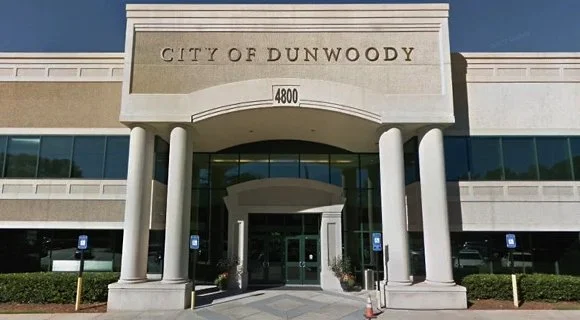
tree removal permit dunwoody georgia city hall
Tree removal permits in Dunwoody are handled through:
City of Dunwoody Community Development Department
4800 Ashford Dunwoody Road
Dunwoody, GA 30338
Phone: 678-382-6800
Website:https://www.dunwoodyga.gov
Email:communitydevelopment@dunwoodyga.gov
David Ham - City Arborist
Community Development Department
Divisions: Permits & Inspections
Phone: (678) 382-6805
Email:david.ham@dunwoodyga.gov
Click Here to Access Dunwoody’s Tree Removal Permit Application Portal
(You will be required to log in or set up an account)
City arborist reviews applications and conducts site inspections when necessary. Permit forms and ordinance details are available on municipal website under Community Development or Planning and Zoning sections.
Before removing any protected tree, property owners should contact department directly to confirm requirements. Regulations can change, and site specific factors such as easements, buffers, or zoning overlays may apply.
When to Call an Arborist
If you are unsure whether a tree qualifies as hazardous or protected, consult a certified arborist.
Arborists assess:
Structural instability
Root plate failure
Fungal fruiting bodies indicating internal decay
Cracks, cavities, or codominant stems
Pest infestation such as bark beetles
Storm damage
A written arborist report often strengthens permit application, especially when requesting removal without replacement due to safety risk.
In cases involving large hardwoods near structures, power lines, or public right of way, professional evaluation is strongly recommended.
Call New Image Tree Solutions (404) 680-0041
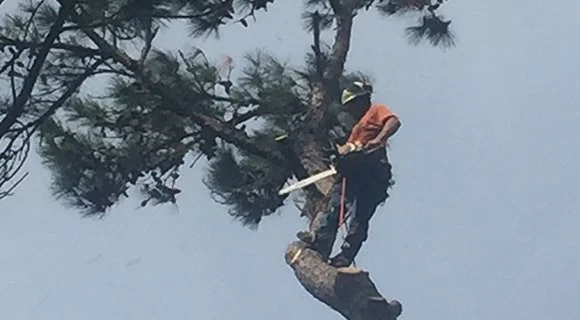
tree removal permit dunwoody georgia arborist services
New Image Tree Solutions provides experienced guidance through Dunwoody permit process. Team understands city ordinance requirements and works directly with municipal staff when needed. Services include:
On site evaluation
DBH measurement and documentation
Permit application assistance
Arborist reporting coordination
Safe removal using professional equipment
Stump grinding and site cleanup
Working with a knowledgeable contractor reduces risk of fines, stop work orders, or replanting penalties. Company prioritizes safety, compliance, and property protection.
Call 404-680-0041 to schedule consultation before starting removal project.
When to Have Trees, Shrubs, and Plants Pruned or Removed
Storms are common in Zone 8a climate. High winds, saturated soil, and lightning strikes can weaken root systems and fracture limbs. After severe weather, inspect canopy for:
Hanging limbs
Split trunks
Uprooted root balls
Leaning trees with soil heaving
Infestations such as emerald ash borer or fungal diseases like root rot can also compromise structural integrity. Mushrooms at base often indicate internal decay. In these situations, removal may be safest solution.
A permit may not be needed when:
Tree has fallen naturally
Certified arborist confirms tree is dead
Tree poses immediate life safety hazard
Species is listed invasive
Routine pruning, thinning, or canopy elevation does not require permit when tree remains intact.
Preventive pruning improves airflow, reduces storm vulnerability, and extends tree lifespan. Removal should be last resort when health cannot be restored.
Key Takeaways for Dunwoody Tree Removal Permit Requirements
tree removal permit dunwoody georgia information
Dunwoody maintains strict tree preservation standards to protect urban canopy and neighborhood character. Any property owner planning tree removal must first determine whether tree qualifies as protected under city ordinance. Diameter at breast height measurement is critical. Even on private residential property, certain hardwood and pine species above threshold size require permit before removal.
Community Development Department oversees permit applications. City arborist reviews documentation, inspects site when needed, and may require mitigation planting or recompense. Skipping this step can result in fines or mandatory replacement that exceeds original cost.
Exemptions exist for dead, hazardous, storm damaged, or invasive trees. However, documentation is still important. A certified arborist report strengthens case and provides evidence for emergency removals. Never assume exemption applies without verification.
Climate in Dunwoody contributes to both healthy canopy growth and storm related risk. Heavy rainfall, high humidity, and summer thunderstorms increase likelihood of decay and structural failure in mature trees. Routine inspection reduces surprise hazards.
Professional guidance simplifies process. Experienced tree service providers understand ordinance language, DBH measurement standards, and documentation requirements. They coordinate with city officials and ensure removal complies with regulations.
Homeowners should:
Measure trunk diameter accurately
Review city website for current ordinance language
Contact Community Development Department before cutting
Obtain written arborist assessment if hazard exists
Budget for possible mitigation planting
Proper planning protects property value, avoids legal complications, and preserves community tree canopy.
Dunwoody Tree Removal Requirements
You discovered how Dunwoody tree removal permits work, when a permit is required, when exemptions apply, and which departments to contact for guidance. You also learned why arborist evaluation plays a central role in safe and compliant removal decisions.
By following permit requirements and consulting professionals, you protect your property, maintain neighborhood standards, and avoid costly penalties. Proper documentation and expert removal reduce liability and ensure long term landscape health.
Ignoring permit requirements or removing protected trees without authorization can result in fines, legal action, mandatory replanting, and strained relations with city officials. Careful compliance prevents unnecessary expense and preserves community trust.
Sources:
dunwoodyga.gov/government/departments/community-development/permits-inspections/tree-regulations
planthardiness.ars.usda.gov
gatrees.org/urban-community-forestry
(404) 680-0041