Falling Branches - What Does That Mean?
A sudden crash in the yard can alarm any homeowner. One moment, everything appears calm, then a large branch breaks away and lands across the driveway, lawn, or even the roof. Many people assume this event results from wind or storm activity, yet branches sometimes fall without warning during calm weather. This unexpected situation creates anxiety because falling limbs may signal deeper problems within the tree. Understanding why branches fail helps property owners recognize warning signs before serious damage occurs.
sudden falling tree branches
New Image Tree Solutions gathered information about common causes behind falling branches, warning signs that indicate tree decline, and steps homeowners can take to protect property and safety. This article explains why branches break suddenly, how disease and infestations weaken trees, when to seek help from a certified arborist, and why professional pruning or removal often becomes necessary for long-term landscape safety.
Key Takeaways for Falling Branches
sudden falling tree branches information
When a branch falls without obvious storm activity, it often indicates structural weakness inside the tree canopy. Many trees have strong outer bark, while the interior wood slowly deteriorates. Decay may occur for years before any visible symptoms appear. A falling limb is typically the first sign that tree health requires immediate attention.
One common cause is internal rot. A fungus enters through small wounds or cracks within the bark. Over time, these fungi digest interior wood fibers, leaving hollow or weakened sections. Branches supported by compromised wood cannot carry normal weight during rain or mild wind. Eventually, gravity causes sudden failure.
Another frequent factor involves excessive branch weight. Trees grow constantly, adding new wood, leaves, and moisture. When the branch structure extends far beyond trunk support, weight distribution becomes unstable. Heavy limbs may split away during humid weather when water increases in the foliage.
Age also contributes to branch failure. Mature trees gradually lose structural flexibility as wood fibers stiffen. Older limbs may fracture under stress that younger trees would easily tolerate.
Insects create another serious threat. Wood-boring insects tunnel through branches and trunks while feeding or nesting. These tunnels weaken the tree's structural integrity and create pathways for fungal infection. Over time, insect damage accelerates decay and increases the risk for falling limbs.
Homeowners should also be aware of a phenomenon called “sudden limb drop.” Certain large shade trees, such as oak, elm, or maple, sometimes shed heavy branches during hot, calm weather. Rapid internal moisture changes create pressure inside wood fibers, leading to sudden breakage even without wind.
Professional arborists inspect trees for these warning signs. Early detection allows targeted pruning or removal before hazardous conditions develop.
Recognizing early signals remains crucial for protecting homes, vehicles, and family safety.
Why Tree Branches Suddenly Fall
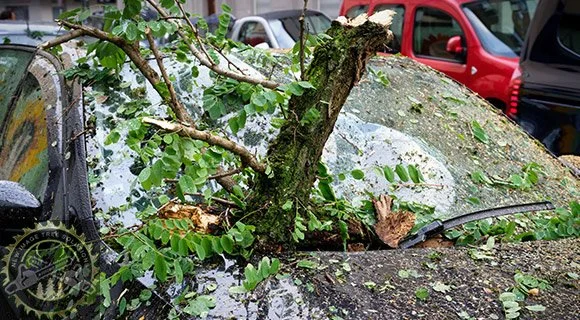
sudden falling tree branches on car
Branches rarely fail without reason. Most falling limbs result from structural weakness created by environmental stress, disease, pests, or aging.
Storm Damage and Environmental Stress
High winds represent the most obvious cause for broken limbs. Strong gusts twist branches beyond natural flexibility limits, causing cracks near trunk attachment points. Ice accumulation during winter storms also adds significant weight that branches cannot support.
Lightning strikes occasionally split large limbs or trunks, leaving internal damage that later leads to breakage.
Prolonged drought can weaken trees. Water stress reduces wood strength and causes brittle branch growth. When normal moisture returns, heavy foliage adds sudden weight that compromised branches cannot sustain.
Age-Related Decline
Trees, like any living organism, change with age. Older branches gradually lose elasticity while internal decay slowly increases. Even without visible symptoms, structural integrity declines over decades.
Large mature trees may appear healthy yet still develop weak limbs that fail unexpectedly.
Disease and Fungal Infection
Tree diseases frequently weaken branches from the inside. Fungal pathogens invade through wounds or damaged bark. Once inside wood tissue, fungi break down cellulose and lignin, which provide support.
Common diseases (oak wilt, root rot, or canker infections) can weaken entire branches. These infections reduce nutrient flow and create brittle wood that easily breaks.
Insect Infestations
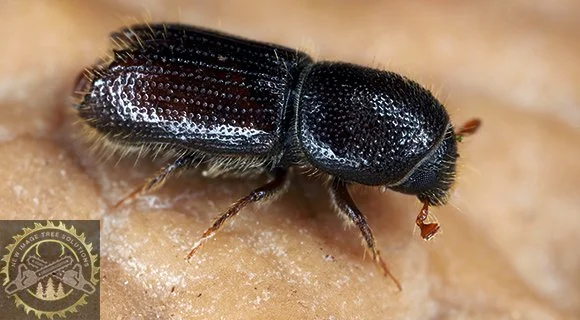
sudden falling tree branches wood boring beetles
Wood-boring insects create serious structural damage. Beetles, borers, and larvae tunnel through interior wood while feeding. Their activity disrupts water transport and weakens the branch structure.
Examples include emerald ash borer, bark beetles, and carpenter ants. These pests leave internal tunnels that eventually lead to branch failure.
Recognizing insect damage early can prevent major structural loss within the tree canopy.
When to Call an Arborist
Homeowners often hesitate before contacting professional tree specialists. However, certain warning signs should prompt immediate arborist evaluation.
Visible cracks within major limbs represent one critical signal. Splitting wood indicates structural failure already underway.
Large dead branches also require prompt attention. Deadwood becomes brittle and may fall without warning. Removing these limbs reduces risk for injury or property damage.
Leaning trees or limbs growing over roofs, driveways, or power lines also demand professional inspection. Improper weight distribution increases risk during storms.
Another warning sign is fungal growth near the trunk base or along branches. Mushrooms or shelf fungi often indicate internal decay inside wood.
If multiple limbs fall within a short time, tree health will likely deteriorate. Arborists evaluate structural stability and determine whether pruning or removal offers the safest solution.
When uncertainty exists regarding tree condition, professional inspection always remains the safest approach.
Read more about arborists and what they do.
Call New Image Tree Solutions
sudden falling tree branches arborist services
New Image Tree Solutions provides expert tree care for homeowners seeking safe and reliable solutions. Professional arborists understand the complex biology behind tree health and structural stability.
Each inspection begins with a detailed evaluation that examines trunk condition, branch structure, root stability, and surrounding landscape factors. This assessment allows technicians to identify hidden weaknesses before they create hazardous conditions.
Proper pruning techniques also protect long-term tree health. Removing excess weight from overextended branches improves structural balance and reduces stress during storms.
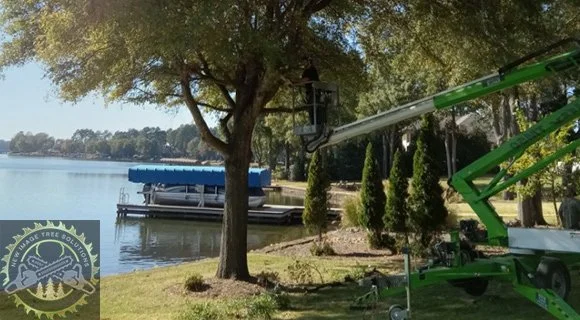
When disease or infestation severely compromises tree integrity, safe removal becomes necessary. Professional crews use specialized equipment that allows precise dismantling while protecting surrounding property.
Safety remains the top priority during every project. Experienced technicians adhere to industry standards that prevent injury and minimize risk during removal operations.
Working with skilled professionals ensures trees receive appropriate care while homeowners maintain a safe outdoor environment.
When Trees, Shrubs, and Plants Should Be Pruned or Removed
sudden falling tree branches pruning and removal
Routine maintenance helps prevent unexpected branch failure. Trees benefit from regular pruning that removes weak or crowded limbs before problems develop.
Storm damage often requires immediate pruning. Broken or partially attached limbs create dangerous conditions that worsen during future weather events.
Age-related decline may also justify removal. Trees that show extensive decay or hollow trunks pose long-term safety risks.
Disease sometimes spreads rapidly through the entire tree structure. Oak wilt, Dutch elm disease, and root rot may require removal to prevent spread to surrounding trees.
Insect infestations present another serious concern. Emerald ash borer has destroyed millions of ash trees across North America. Infested trees often require removal once structural stability declines.
Carpenter ants or termites inside the trunk wood may also weaken structural support.
Shrubs and smaller plants may also require removal. Overgrown root systems may damage foundations, sidewalks, or drainage systems.
A professional evaluation ensures pruning and removal protect landscape health and property safety.
When Branches Fall
This article explored reasons branches sometimes fall unexpectedly and what those events reveal about tree health. Readers learned how internal decay, aging wood, insect infestations, and environmental stress weaken structural stability within branches. Understanding these warning signs allows homeowners to recognize when professional arborist assistance becomes necessary.
Taking action early provides significant benefits. Regular inspections and proper pruning reduce risk for falling limbs while preserving beauty and safety within residential landscapes. Professional tree care also protects homes, vehicles, and family members from preventable accidents.
Ignoring falling branches or visible tree damage may lead to serious consequences. Weak limbs can collapse onto roofs, vehicles, or walkways without warning. Structural decay may also spread until the entire tree fails during storm conditions. Addressing tree health concerns promptly helps avoid these dangerous outcomes while maintaining strong and healthy landscapes.
Sources:
uaex.uada.edu/environment-nature/musings-on-nature-blog/posts/sudden-limb-breakage.aspx
apps.extension.umn.edu/garden/diagnose/plant/deciduous/oak/branchesdead.html
(404) 680-0041