Identifying Tree Weaknesses and Disease
A healthy tree adds shade, value, and visual appeal to any property. However, when hidden weaknesses or disease begin to develop, that same tree can quickly become a liability. Homeowners often miss early warning signs until limbs begin to fall or visible decay spreads, creating safety hazards and costly damage. Understanding how to recognize structural problems and disease symptoms can help prevent unexpected failures and protect both your landscape and your investment.
how to identify tree weaknesses and diseases
New Image Tree Solutions gathered information about identifying tree weaknesses and diseases to help property owners make informed decisions. This article explains common structural issues, visible symptoms of disease, and practical guidance for determining when professional evaluation, pruning, or removal is necessary. By recognizing these indicators early, you can maintain stronger, safer trees and reduce long-term risk.
Key Takeaways for Identifying Tree Weaknesses and Disease
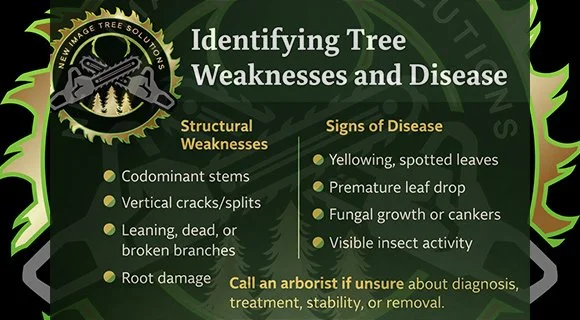
how to identify tree weaknesses and diseases infographic
Recognizing early signs of structural weakness and disease can significantly reduce risk and improve tree longevity. One major takeaway is that tree health often declines gradually, not suddenly. Subtle changes such as thinning foliage, discolored leaves, or slow growth frequently indicate underlying stress. These symptoms may result from poor soil conditions, root damage, or early-stage disease.
Structural integrity plays a critical role in tree stability. Weak branch unions, especially those forming narrow V-shaped angles, are prone to splitting under pressure from wind or heavy rain. Cracks in trunks or large limbs signal internal stress and possible failure points. Trees with multiple trunks or codominant stems also face increased risk, particularly when bark forms between stems, preventing proper bonding.
Root systems deserve close attention since they anchor trees and supply nutrients. Signs such as exposed roots, soil heaving, or fungal growth near the base can indicate root decay. Construction activity, soil compaction, and excessive moisture often contribute to root damage, weakening overall stability. Leaning trees may also indicate a compromised root system, especially if a lean developed suddenly.
Disease symptoms vary but often include leaf spotting, premature leaf drop, cankers on bark, and unusual growth patterns. Fungal infections may appear as mushrooms or conks near the trunk's base, signaling internal decay. Insect infestations can accelerate disease progression by damaging bark and introducing pathogens. Bore holes, sawdust-like residue, and visible insect activity are clear warning signs.
Regular inspection remains one of the most effective strategies for early detection. Seasonal checks allow homeowners to notice changes before they escalate. However, when uncertainty arises, professional evaluation ensures accurate diagnosis. Arborists use specialized knowledge to assess structural integrity, identify disease type, and recommend appropriate treatment or removal strategies.
Taking proactive steps such as proper pruning, watering, and soil management strengthens tree resilience. Ignoring warning signs, on the other hand, increases the risk of falling limbs, property damage, and costly emergency removal. Early intervention not only preserves tree health but also protects surrounding structures and people.
Common Tree Structural Weaknesses
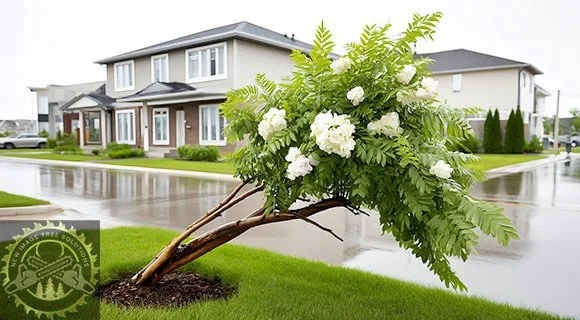
how to identify tree weaknesses and diseases severe lean
A tree's structure determines how well it can withstand environmental stress. Certain growth patterns and physical conditions increase the likelihood of failure.
Codominant Stems
Trees that develop two or more main trunks often lack strong attachment points. These stems compete for dominance, creating weak junctions prone to splitting.
Included Bark
When bark becomes trapped between two stems, it prevents proper bonding. This condition creates internal weakness that may not be visible externally until failure occurs.
Cracks and Splits
Vertical cracks in the trunk or major limbs indicate stress. These fractures may worsen over time, especially during storms or temperature fluctuations.
Dead or Hanging Limbs
Deadwood weakens the overall structure and can fall without warning. Hanging branches pose immediate safety risks.
Leaning Trees
A slight lean can be natural, but a sudden or increasing lean suggests root instability or soil movement. This condition requires prompt evaluation.
Root Damage
Construction, excavation, and soil compaction can damage roots. Since roots anchor the tree, any compromise increases the risk of collapse.
Signs of Tree Disease
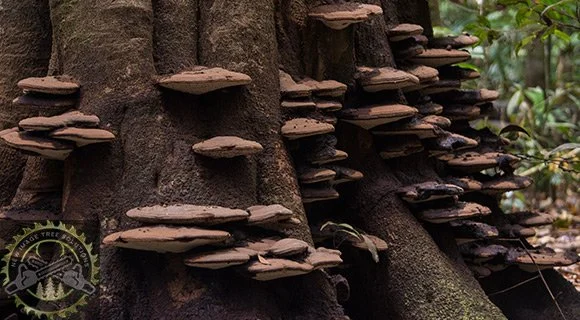
how to identify tree weaknesses and diseases mushroom conks on trunk
Tree disease can present itself as visible symptoms affecting leaves, bark, and growth patterns.
Leaf Discoloration
Yellowing, browning, or spotting may indicate nutrient deficiency or fungal infection.
Premature Leaf Drop
Trees shedding leaves outside normal seasonal patterns often experience stress or disease.
Cankers
Sunken or dead areas on the bark signal infection. These lesions can expand and disrupt nutrient flow.
Fungal Growth
Mushrooms or conks near the base indicate internal decay. This is often a sign of advanced structural compromise.
Stunted Growth
Reduced leaf size or limited new growth suggests declining health.
Insect Activity
Bore holes, sawdust residue, and visible insects point to infestation. Pests can weaken a tree and introduce disease.
Call New Image Tree Solutions 404-680-0041
how to identify severe tree weaknesses
When tree health becomes uncertain, professional guidance is essential. New Image Tree Solutions provides expert disease diagnosis, structural integrity assessment, and appropriate action recommendations. Arborists have the training to identify subtle issues that may not be obvious to untrained eyes.
You should consider calling when:
Large cracks or splits appear in the trunk or limbs
The tree begins leaning suddenly or significantly
Fungal growth appears near the base
Dead branches accumulate in the canopy
Signs of infestation become visible
Storm damage affects the structure
Professional assessment helps determine whether a tree can be treated or requires removal. Attempting to diagnose or manage severe issues without proper knowledge can lead to unsafe conditions.
When To Have Trees Pruned or Removed
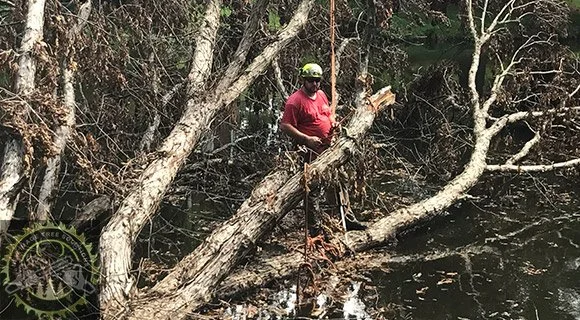
how to identify tree weaknesses and diseases arborist services
Pruning and removal decisions depend on the severity of damage, disease progression, and structural stability.
After Storms
High winds and heavy rain can weaken branches or uproot trees. Broken limbs should be pruned promptly to prevent further damage.
Due to Age
Older trees may develop internal decay or weakened structure. Regular pruning helps maintain stability, but removal may be necessary if decline becomes severe.
Infestations
Severe pest infestations can compromise tree health beyond recovery. Removal may prevent spread to nearby trees.
Disease Progression
Certain diseases, such as root rot or vascular infections, cannot be reversed once advanced. Removing affected trees protects the surrounding landscape.
Structural Failure Risk
Trees with major cracks, hollow trunks, or unstable root systems often require removal to eliminate safety hazards.
Examples of Necessary Removal:
A tree with extensive root rot, causing a visible lean
A trunk with large hollow sections, reducing its strength
A canopy with widespread deadwood indicating decline
An infestation that has killed significant portions of the tree
A disease that spreads rapidly and threatens nearby trees
Pruning remains effective for maintaining health when issues are minor. Removing dead or weak branches reduces risk and improves airflow. However, when structural integrity is compromised, removal becomes the safest option.
Tree Weakness and Disease Identification
In this article, you learned how to identify common tree weaknesses and recognize signs of disease. From structural issues like codominant stems and cracks to disease indicators such as leaf discoloration and fungal growth, these warning signs provide critical insight into tree health. Understanding when to seek professional help ensures proper diagnosis and effective solutions.
Taking proactive steps to monitor and maintain trees leads to safer properties and healthier landscapes. Early detection allows for targeted treatment, strategic pruning, and informed decisions that extend tree life and reduce risk. Working with experienced professionals ensures that each tree receives appropriate care based on its condition.
Ignoring these warning signs can result in serious consequences. Undetected disease or structural weakness may lead to falling limbs, property damage, or complete tree failure. Delayed action often increases costs and risks, making early intervention essential for protecting both your investment and your safety.
(404) 680-0041