Heavy-Duty Brush Clearing and Pruning
Overgrown property can quickly become more than an eyesore. Dense brush, aggressive vines, dead limbs, and unmanaged shrubs can hide hazards, block access, threaten desirable trees, and make future land work far more difficult. Knowing how heavy-duty brush clearing works can help you reclaim usable space safely while protecting valuable trees and avoiding unnecessary exposure to hazardous vegetation.
heavy duty tree and brush clearing
New Image Tree Solutions gathered information on heavy-duty brush clearing and pruning, including how professionals handle dense vegetation, fast-growing vines such as kudzu, poison ivy, and poison oak, and conditions that require specialized equipment or arborist expertise. This article explains why brush clearing often comes before land clearing, when pruning or removal becomes necessary, and when property owners should call an arborist because an area presents unusual complexity, valuable trees, or potentially toxic vines.
Key Takeaways for Heavy Duty Brush Clearing and Pruning
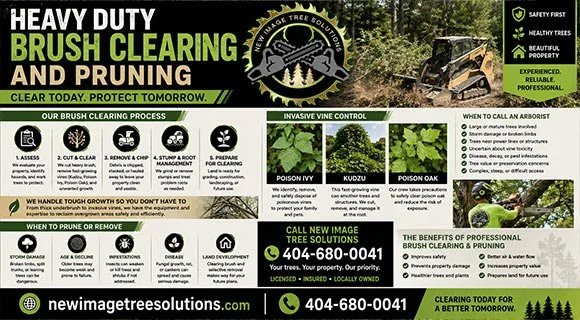
heavy duty tree and brush clearing infographic
Heavy-duty brush clearing is a controlled process designed to remove dense, unwanted vegetation while preserving trees, structures, utilities, and desirable plants whenever practical. A property with years of unmanaged growth may contain intertwined vines, thorny brush, fallen limbs, saplings, and deadwood. Trying to handle that environment with basic homeowner equipment can create unnecessary risks.
Professionals typically begin with a site assessment. They identify property boundaries, structures, fences, driveways, utility lines, drainage features, desirable trees, unstable limbs, and vegetation requiring special handling. This assessment helps determine which equipment and work will produce the safest result.
Mechanical cutting, brush mowers, chainsaws, pole saws, hand tools, and specialized clearing equipment may all play a role. Dense vines often require cutting near their base before tangled growth can be separated from trees or structures. Kudzu can spread rapidly and form heavy mats that cover shrubs and trees. Poison ivy and poison oak require extra caution because contact with plant oils can cause an intense skin reaction in susceptible people.
Heavy brush clearing often precedes land clearing because vegetation must be removed before grading, excavation, construction, driveway installation, drainage work, or other development can proceed efficiently. Clearing first also improves visibility, allowing crews to identify trees, stumps, terrain changes, drainage issues, and potential hazards that were hidden by vegetation.
Pruning should not simply become indiscriminate cutting. Valuable mature trees may provide shade, wildlife habitat, privacy, and significant landscape value. An arborist can determine whether a tree should be pruned, preserved, monitored, or removed.
Call an arborist when you cannot confidently identify a vine, when large trees are intertwined with invasive vegetation, when trees show disease or structural defects, or when clearing occurs near buildings, power lines, roads, or other hazards.
How Heavy Duty Brush Clearing Is Accomplished
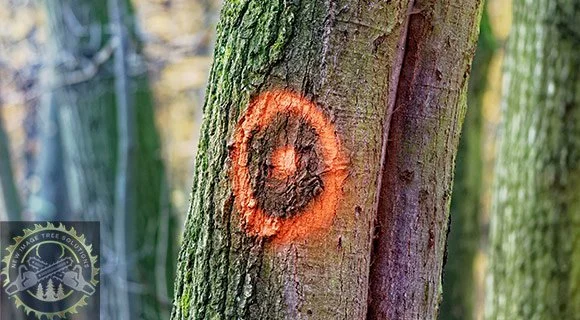
heavy duty tree and brush clearing identification
Identify What Should Stay
Before removing brush, professionals identify desirable trees, shrubs, and landscape features. Mature hardwoods, ornamental trees, healthy native plants, and established shrubs may have substantial value.
Marking these features helps crews work around them instead of accidentally damaging trunks, roots, or crowns.
Identify Hazards
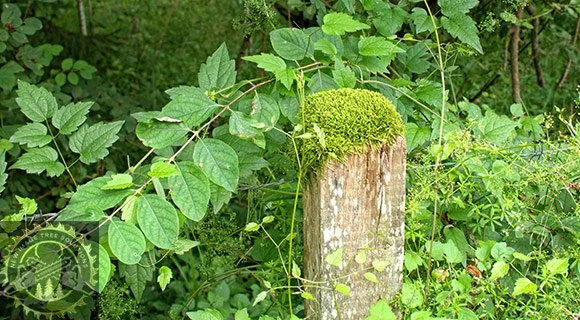
heavy duty tree and brush clearing overgrown obstacles
Dense vegetation can hide hazards such as:
Fallen trees
Dead limbs
Stumps
Holes
Steep slopes
Fences
Utility lines
Buried debris
Unstable trees
Poisonous or irritating plants
A site assessment helps establish a safe work plan.
Cut and Separate Vines
Fast-growing vines can make clearing especially difficult. Kudzu may climb and cover trees, fences, and structures. Poison ivy and poison oak can also spread through dense vegetation and be difficult to identify when mixed with other plants.
Crews may cut vines near their bases and carefully separate growth from desirable trees and structures. Pulling large vines aggressively from tree canopies can damage bark and limbs, so controlled removal matters.
Cut Heavy Brush
heavy duty tree and brush clearing cutting equipment
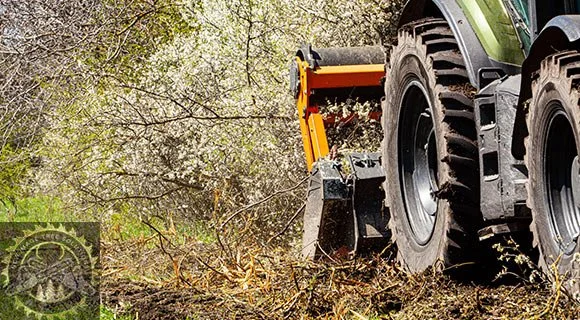
Depending on site conditions, crews may use brush cutters, chainsaws, pole saws, mechanical mowers, or other equipment. Larger woody vegetation may require chainsaw work, while smaller growth can sometimes be processed mechanically.
Cut material can then be chipped, hauled away, or arranged according to project requirements.
Address Stumps and Remaining Growth
Stumps can interfere with mowing, grading, construction, and future landscaping. Depending on project goals, stump grinding or additional removal may follow brush clearing.
Some invasive plants can regenerate from roots or remaining plant material. A clearing plan may therefore require follow-up control rather than assuming a single cutting will permanently eliminate growth.
Why Brush Clearing Often Comes Before Land Clearing
heavy duty tree and brush clearing before lot preparation
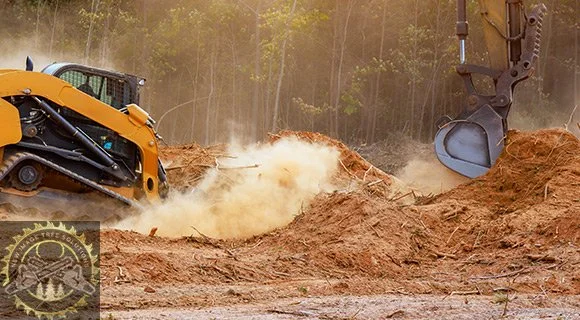
Heavy brush can conceal important site conditions. Before grading or construction begins, crews need clear visibility across a property.
Brush clearing can reveal:
Property boundaries
Drainage patterns
Existing trees
Stumps
Erosion
Utility access
Fences
Terrain changes
Potential construction obstacles
Once vegetation has been reduced, land clearing equipment can operate more efficiently and safely.
Read more about the land clearing process by visiting https://www.newimagetreesolutions.com/blog/the-land-clearing-process-explained
Brush removal also helps property owners decide which mature trees should remain. Removing all vegetation without first evaluating a tree's value can result in unnecessary loss.
Watch this video to see how heavy-duty brush removal is accomplished.
Managing Kudzu, Poison Ivy, and Poison Oak
Vine management requires special attention as some species combine aggressive growth with health concerns.
Kudzu can overwhelm vegetation by growing rapidly across trees and ground surfaces. Its dense coverage can make desirable plants difficult to access and inspect.
Poison ivy and poison oak contain urushiol, an oily substance that can trigger allergic skin reactions. Burning these plants is particularly dangerous because smoke can carry irritants into the respiratory system.
Property owners should avoid handling unidentified vines casually. Long sleeves, gloves, eye protection, careful cleaning, and proper disposal procedures can reduce exposure risks. When plant identification is uncertain, an arborist or qualified vegetation professional can help determine an appropriate approach.
When To Have Trees and Shrubs Pruned or Removed
Trees and shrubs can require pruning or removal for many reasons. Storms, age, infestations, disease, structural defects, and land development can all change what makes sense for a particular plant.
Storm Damage
Severe wind can break limbs, split trunks, uproot trees, or leave hanging branches. A damaged tree may remain unstable even when it looks mostly intact.
Call a professional when large limbs are broken, a trunk is split, a tree is leaning unexpectedly, or branches have fallen onto structures or utilities.
Disease
heavy duty diseased tree and brush clearing
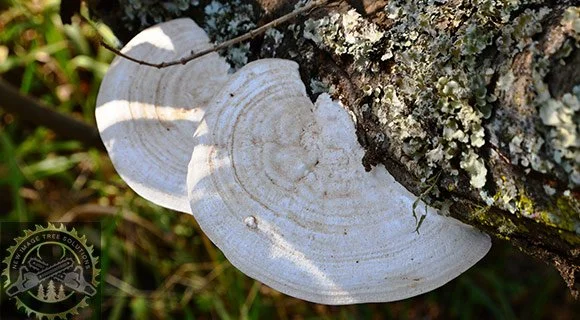
Tree disease can cause canopy thinning, dead branches, discoloration, fungal growth, bark abnormalities, or progressive decline.
Examples that may require professional evaluation include:
Severe fungal decay
Extensive vascular disease
Significant root decay
Widespread branch dieback
Diseases causing structural weakness
Proper diagnosis matters because some conditions can be managed through pruning, sanitation, treatment, or monitoring.
Infestation
Insects can weaken trees by damaging bark, leaves, branches, or root systems. Severe infestations may lead to declining health and structural instability.
Examples include boring insects that damage internal wood and pests that cause extensive canopy loss.
An arborist can determine whether treatment, pruning, monitoring, or removal makes sense.
Land Development
Construction, driveway expansion, drainage projects, grading, and new landscaping can require selective vegetation removal. Professional planning helps preserve valuable trees while creating necessary access.
Call New Image Tree Solutions 404-680-0041
heavy duty tree and brush clearing expert services
New Image Tree Solutions provides tree care and vegetation management services for property owners who need professional help with overgrown landscapes, hazardous trees, pruning, removal, and storm-related damage.
When heavy brush includes mature trees, dense vines, steep terrain, or difficult access, professional assessment can prevent avoidable damage. An arborist can evaluate whether a tree has significant landscape value and determine whether an unfamiliar vine presents a toxicity concern.
New Image Tree Solutions can evaluate a property, identify hazards, recommend appropriate pruning or removal, and help establish a practical clearing strategy.
Call New Image Tree Solutions at 404-680-0041 when you need help reclaiming an overgrown property or determining what should remain.
When an Arborist Should Be Called
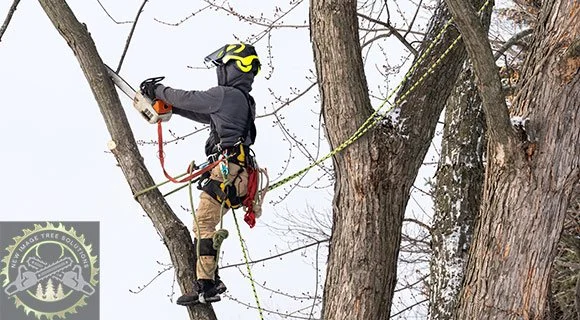
heavy duty tree and brush clearing professional arborist
Some clearing projects are straightforward. Others require specialized knowledge.
Call an arborist when:
Large trees are involved
Vines cover valuable trees
A tree appears unstable
Branches are near utility lines
Storm damage has occurred
Disease or infestation is suspected
You cannot identify a potentially toxic plant
A tree has significant landscape value
Clearing occurs near buildings
Terrain creates access or safety concerns
An arborist can help distinguish vegetation that should be removed from vegetation you should preserve.
Extensive Brush Clearing
Heavy-duty brush clearing involves much more than cutting down overgrown plants. You discovered how professionals assess a site, identify hazards, protect desirable trees, manage aggressive vines, remove dense brush, address stumps, and prepare property for future land clearing.
Having heavy vegetation professionally evaluated and cleared can restore access, improve visibility, reduce hazards, protect valuable trees, and prepare property for landscaping or construction. Proper pruning can also improve tree structure and health, while selective removal can eliminate trees that pose unacceptable risks.
Ignoring severe overgrowth can leave vines and brush more difficult to manage. Hidden dead trees, unstable limbs, invasive vegetation, toxic vines, and structural defects can create safety hazards while making future clearing more expensive and complicated. Addressing these conditions early gives property owners more control over their landscape, reducing the chance that a manageable problem becomes a major project.
(404) 680-0041