The Land Clearing Process Explained
Preparing land for construction, agriculture, landscaping, or property improvements involves much more than simply cutting down trees. Improper land clearing can create drainage problems, soil erosion, safety hazards, and unnecessary environmental damage that become expensive to correct later. Understanding how professional land clearing works helps property owners make informed decisions while protecting valuable trees and preparing their property for long-term success.
land and lot clearing process explained
New Image Tree Solutions gathered information about professional land clearing, site preparation, tree preservation, erosion control, stump removal, and arborist evaluations. This guide explains how land clearing works, outlines situations when clearing becomes necessary, discusses when to consult an arborist, and explains when tree pruning or removal provides the safest solution for your property.
Key Takeaways for The Land Clearing Process
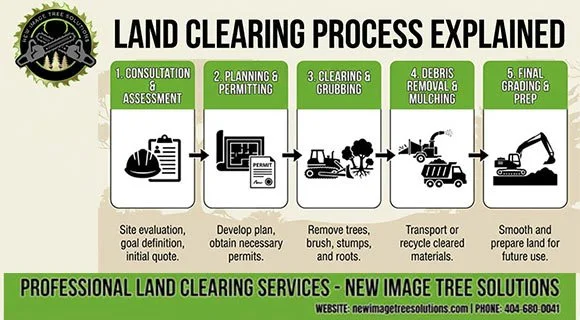
land and lot clearing process explained infographic
Professional land clearing involves careful planning rather than simply removing vegetation. Every successful project begins with evaluating site conditions, identifying healthy trees worth preserving, locating utilities, understanding drainage patterns, and determining future property use. This planning stage helps reduce unnecessary removal while protecting valuable natural resources.
Safety always comes first. Experienced crews inspect trees for structural defects, disease, insect infestations, storm damage, and lean before equipment enters a work area. Dangerous trees receive priority attention because unstable trunks or weakened limbs create hazards during clearing operations.
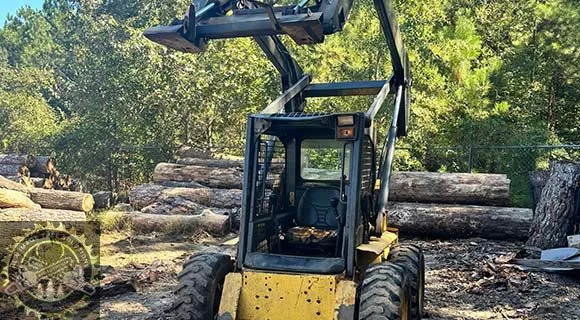
Another important takeaway involves choosing appropriate equipment. Small residential projects may require chainsaws, compact loaders, stump grinders, or forestry mulchers. Larger commercial projects often utilize excavators, bulldozers, skid steers, grapples, and specialized forestry equipment. Selecting proper machinery improves efficiency while minimizing unnecessary soil disturbance.
Erosion control remains another critical consideration. Bare soil becomes vulnerable to heavy rain after vegetation removal. Contractors frequently install silt fencing, erosion-control blankets, temporary seeding, or drainage improvements that stabilize exposed soil until permanent landscaping becomes established.
Not every tree should be removed. Healthy, mature trees often increase property value, improve shade, reduce energy costs, and enhance appearance. Certified arborists help identify trees worth preserving while recommending removal only when necessary because of disease, structural instability, severe storm damage, or construction conflicts.
Finally, responsible debris management completes every successful project. Wood chips, logs, brush, stumps, and other vegetation should be recycled, mulched, hauled away, or repurposed whenever possible. Professional cleanup leaves property ready for construction, landscaping, fencing, utilities, or future development without unnecessary debris remaining behind.
What Is Land Clearing?
land and lot clearing process explained heavy equipment
Land clearing removes unwanted vegetation, trees, brush, stumps, rocks, and other obstacles from a property while preparing land for a specific purpose.
Common goals include:
Residential construction
Commercial development
Agricultural expansion
New landscaping
Utility installation
Driveway construction
Fire prevention
Property improvements
Professional land clearing balances efficient vegetation removal with responsible environmental practices.
Step 1 - Site Evaluation
land and lot clearing process explained site evaluation
Every project begins with a detailed property assessment.
Professionals evaluate:
Tree health
Property boundaries
Utility locations
Drainage patterns
Soil conditions
Access points
Protected vegetation
Construction plans
This planning stage prevents costly surprises while improving project efficiency.
Step 2 - Obtain Necessary Permits

land and lot clearing permit approval process explained
Some municipalities require permits before removing trees or clearing large sections of land.
Permit requirements vary depending on:
Tree size
Protected species
Property zoning
Environmental regulations
Stormwater requirements
Working with experienced professionals helps ensure compliance with local regulations.
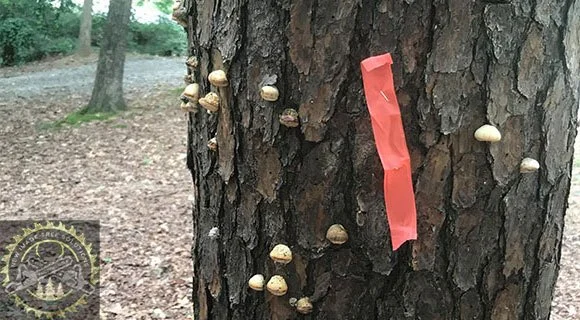
Step 3 - Mark Trees for Preservation or Removal
land and lot clearing process explained marked diseased tree
Not every tree requires removal.
Healthy trees providing shade, wildlife habitat, erosion control, or landscape value often remain protected throughout construction.
Trees scheduled for removal commonly include:
Dead trees
Diseased trees
Storm-damaged trees
Unsafe trees
Trees conflicting with construction
Clear markings reduce confusion during equipment operation.
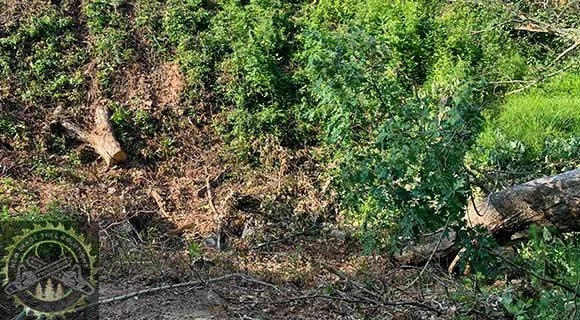
Step 4 - Remove Vegetation
land and lot clearing process explained vegetation removal
Once planning finishes, crews begin clearing unwanted vegetation.
Equipment may include:
Chainsaws
Forestry mulchers
Skid steers
Excavators
Bulldozers
Brush cutters
Vegetation removal proceeds systematically while minimizing unnecessary soil disturbance.
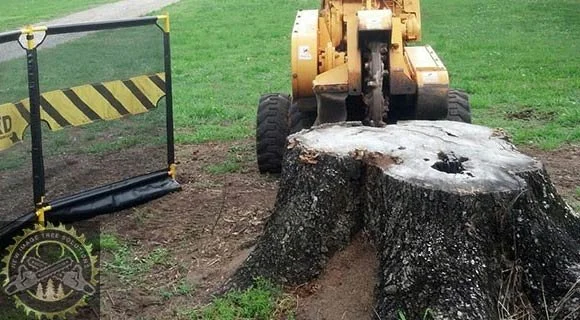
Step 5 - Remove Stumps and Roots
land and lot clearing process explained stump and root removal
Remaining stumps interfere with future construction, landscaping, and lawn installation.
Common removal methods include:
Stump grinding
Full stump excavation
Root removal
Forestry mulching
Complete removal creates a smoother building surface while preventing future regrowth.
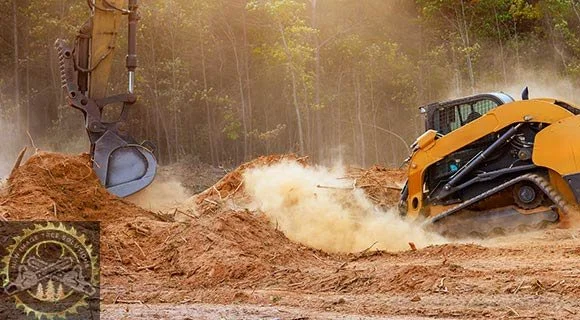
Step 6 - Grade and Stabilize Soil
land and lot clearing process explained grading
Following vegetation removal, crews prepare land for future use.
Grading improves:
Drainage
Building pad preparation
Lawn installation
Erosion control
Water runoff management
Proper grading protects future structures from drainage problems.
When Is Land Clearing Necessary?
professional land and lot clearing process explained
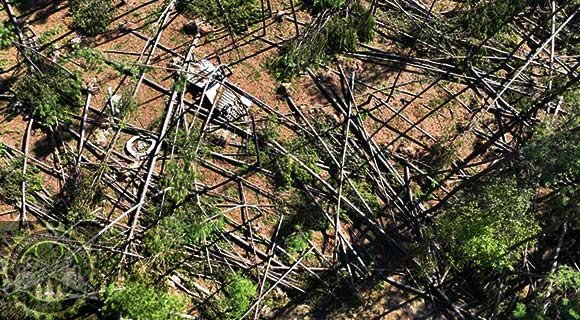
Several situations commonly require professional land clearing.
These include:
Preparing for New Construction - Homes, garages, commercial buildings, barns, and additions require properly cleared building sites.
Agricultural Expansion - Farmers frequently clear overgrown areas for crops, fencing, livestock, or equipment access.
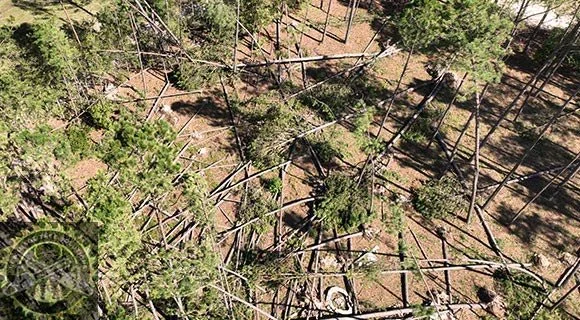
Storm Damage Cleanup - Severe weather can leave properties covered with fallen trees, broken limbs, and dangerous debris.
Fire Prevention - Removing excessive underbrush reduces wildfire fuel while improving property safety.
Property Improvements - New driveways, outdoor living spaces, utility lines, ponds, and recreational areas often require selective vegetation removal.
When to Call an Arborist
arborist services land and lot clearing process explained
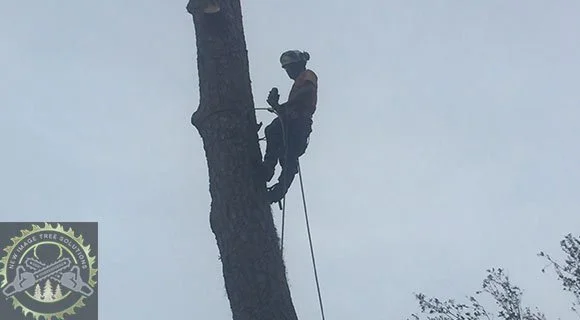
Property owners should consult an arborist whenever uncertainty exists regarding:
Tree disease
Insect infestations
Storm damage
Leaning trees
Root damage
Construction impacts
Tree preservation
Safe removal methods
Certified arborists diagnose problems accurately while recommending appropriate treatment or removal based on scientific evaluation rather than guesswork.
Professional inspections frequently save healthy trees while identifying hazardous conditions before accidents occur.
When To Have Trees Pruned or Removed
land and lot clearing process explained professional pruning
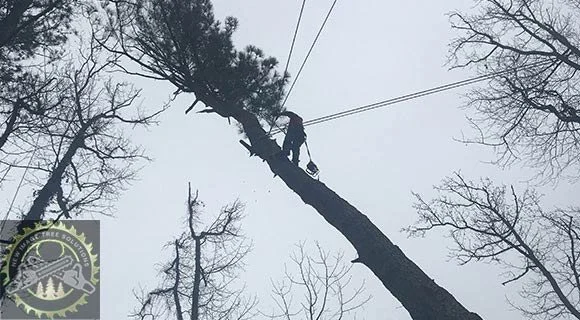
Not every damaged tree requires removal. Many trees recover successfully following proper pruning and professional care.
Pruning becomes appropriate when:
Dead branches develop
Limbs interfere with structures
Storm damage affects small sections
Branches cross or rub together
Canopy thinning improves airflow
Clearance becomes necessary above driveways or roofs
Tree removal becomes necessary when structural stability or health can no longer be restored.
Examples include:
Severe Disease
Advanced diseases may destroy internal wood strength.
Examples include:
Oak wilt
Root rot
Ganoderma decay
Thousand Cankers Disease
Dutch elm disease
These conditions often leave trees structurally unsafe.
Serious Structural Problems
Removal may become necessary when trees develop:
Major trunk cavities
Severe lean
Multiple trunk failures
Extensive root damage
Large structural cracks
Compromised trees create significant safety risks.
Insect Infestations
Some insect populations cause irreversible damage.
Examples include:
Southern pine beetles
Asian longhorned beetles
Bark beetles
Severe infestations often weaken trees beyond recovery.
Storm Damage
Trees suffering major trunk splits, uprooting, or catastrophic canopy failure frequently require removal for safety.
Call New Image Tree Solutions 404-680-0041
expert land and lot clearing process explained
Whether you need complete land clearing, tree removal, emergency storm cleanup, stump grinding, tree pruning, or professional arborist evaluations, New Image Tree Solutions provides dependable service throughout Metro Atlanta.
Their experienced team carefully evaluates every property before recommending removal, preservation, pruning, or treatment. Every project focuses on safety, proper equipment, environmental responsibility, and long-term property improvement.
New Image Tree Solutions offers:
Professional land clearing
Tree removal
Tree pruning
Emergency storm response
Stump grinding
Arborist consultations
Brush removal
Forestry mulching
Site preparation
For a free property evaluation or estimate, call New Image Tree Solutions at 404-680-0041.
Land Clearing Explained
Professional land clearing involves much more than removing trees. This guide explained each step involved in site evaluation, vegetation removal, stump removal, grading, erosion control, and responsible debris management. It also outlined situations requiring land clearing, discussed when certified arborists should evaluate tree health, and common reasons trees require pruning or removal due to storms, disease, insect infestations, or structural failure.
Property owners who invest in professional land clearing and arborist guidance benefit from safer properties, healthier remaining trees, improved drainage, better construction preparation, and long-term landscape success. Proper planning also reduces unnecessary tree removal while protecting valuable natural resources and improving overall property value.
Ignoring hazardous trees, delaying land clearing, or attempting complex tree work without professional guidance can result in property damage, construction delays, personal injury, drainage problems, and higher long-term costs. Taking a thoughtful, professional approach helps ensure your property remains safe, functional, and ready for future improvements.
(404) 680-0041