Landscape Watering - What Is Too Much?
A healthy landscape depends on proper watering, yet many property owners unknowingly provide far more water than trees, shrubs, and turf actually need. Overwatering can create hidden problems that weaken root systems, increase the risk of disease, and end with expensive landscape damage. Understanding how much water your landscape truly requires can help protect your investment while promoting healthier growth.
landscape watering practices mistakes schedules
New Image Tree Solutions gathered information on landscape watering practices, common overwatering mistakes, watering schedules, tree and shrub health, and warning signs requiring professional arborist assistance. Understanding these topics can help homeowners avoid preventable landscape issues while encouraging stronger, more resilient trees and shrubs.
Key Takeaways for Adequate Landscape Watering
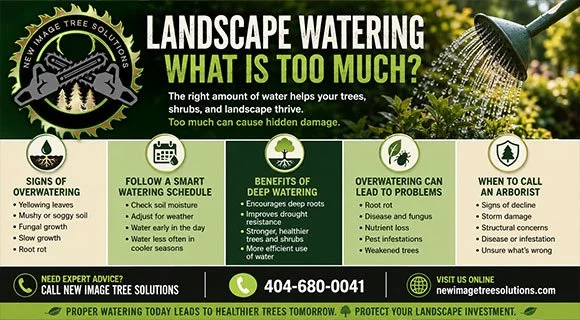
landscape watering practices mistakes schedules information
Adequate landscape watering requires balancing moisture needs without creating overly saturated soil conditions. Many homeowners assume that more water automatically produces healthier plants, but excessive irrigation often causes more harm than temporary dryness. Trees, shrubs, and turf require oxygen within soil as much as they require water. When soil remains constantly wet, air pockets disappear, and roots struggle to function properly.
One key takeaway is that watering frequency should depend on weather conditions, soil composition, plant maturity, and seasonal demands. Sandy soils drain quickly and often require more frequent watering. Clay soils hold moisture longer and may need less frequent irrigation. Newly planted trees generally require more consistent watering than established specimens.
Another important consideration is monitoring soil moisture rather than relying solely on a fixed calendar schedule. Homeowners can check moisture levels by inserting a screwdriver, soil probe, or garden trowel several inches into the soil. If soil feels damp below the surface, additional watering may not be necessary.
Deep watering is generally more beneficial than frequent shallow watering. Deep irrigation encourages roots to grow downward where moisture remains available during dry periods. Shallow watering often causes roots to remain near surface areas where they become vulnerable to drought stress and temperature fluctuations.
Overwatering symptoms frequently resemble drought symptoms. Yellow leaves, leaf drop, poor growth, root decline, fungal growth, and wilting can occur when roots become stressed by excessive moisture. Because symptoms can appear similar, accurate diagnosis becomes critical before adjusting irrigation practices.
Property owners should also recognize when professional guidance becomes necessary. Trees showing structural defects, advanced decline, storm damage, disease symptoms, insect infestations, or significant root issues may require evaluation from a qualified arborist. Early intervention often prevents larger problems and helps preserve valuable landscape assets.
Basic Landscape Water Needs
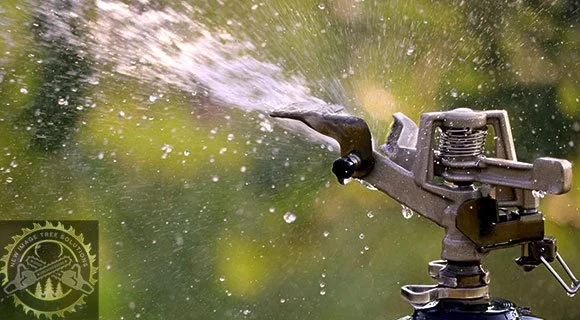
landscape watering needs practices mistakes schedules
Every landscape contains unique watering requirements. Factors such as plant species, soil type, drainage characteristics, sun exposure, and local weather patterns all influence water demand.
Large shade trees often require less frequent irrigation than annual flowers or newly installed shrubs. Established native species may thrive with minimal supplemental watering, while recently planted specimens need additional attention until roots become established.
Rather than following a one-size-fits-all approach, property owners should observe plant health indicators and adjust watering practices accordingly.
Problems Caused by Overwatering
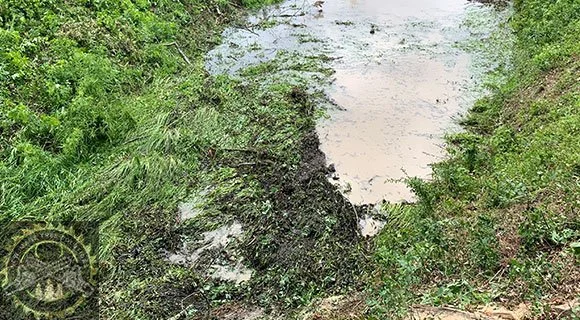
landscape watering practices mistakes schedules overwatering issues
Overwatering can create numerous problems throughout a landscape.
Root Rot
Root rot occurs when roots remain saturated for extended periods. Excess moisture encourages fungal pathogens that attack root tissue, reducing a tree's ability to absorb nutrients and water.
Oxygen Deprivation
Roots require oxygen for proper function. Constantly wet soil limits oxygen availability, causing root stress and decline.
Increased Disease Activity
Many fungal diseases thrive in damp environments. Excessive watering can increase disease pressure among trees, shrubs, flowers, and turfgrass.
Nutrient Loss
Too much water can leach nutrients beyond root zones. Plants may develop deficiencies despite receiving regular fertilization.
Pest Attraction
Weak, stressed trees often attract insects that target compromised plants. Certain borers and secondary pests frequently attack trees experiencing moisture-related stress.
Structural Weakness
Persistent overwatering can weaken root systems and reduce anchorage strength. During storms, compromised trees may become more susceptible to failure.
Signs You May Be Overwatering
Several symptoms may indicate excessive irrigation:
Yellowing leaves
Premature leaf drop
Mushy soil conditions
Standing water after irrigation
Fungal growth near root zones
Slow growth
Wilting despite wet soil
Algae or moss accumulation
Increased insect activity
Root decay
Because these symptoms may also indicate disease or other health concerns, professional evaluation may be beneficial when symptoms persist.
How to Determine a Landscape Watering Schedule

landscape watering practices mistakes schedules and overwatering prevention
Creating an effective watering schedule begins with understanding landscape conditions.
Evaluate Soil Type - Sandy soils drain rapidly and dry out faster. Clay soils retain moisture longer and generally require less frequent watering.
Consider Plant Maturity - Newly planted trees and shrubs require more frequent irrigation to establish their root systems. Mature specimens typically need less supplemental watering.
Monitor Weather Conditions - Rainfall should influence irrigation schedules. Watering immediately after significant rainfall often creates unnecessary saturation.
Check Soil Moisture - Use a soil probe, screwdriver, or trowel to assess moisture several inches below surface level before watering.
Water Early - Morning watering allows moisture absorption while minimizing evaporation and reducing disease risks associated with prolonged leaf wetness.
Adjust Seasonally - Water requirements often increase during hot summer periods and decrease during cooler seasons.
Benefits of Occasional Deep Watering for Trees and Shrubs
Deep watering is a method that slowly saturates the soil several inches below the surface, allowing moisture to reach deeper roots rather than remaining near the top. It is typically done by placing a soaker hose, drip irrigation system, or garden hose at a slow flow around a tree or shrub for an extended period. This encourages deeper root growth, improves drought tolerance, and promotes healthier, more stable plants. Deep watering provides several advantages compared to frequent shallow irrigation, such as:
Stronger Root Development - Deep watering encourages roots to grow downward where moisture remains more stable.
Improved Drought Resistance - Trees with deeper root systems can better withstand periods with limited rainfall.
Reduced Surface Root Growth - Shallow watering often promotes surface roots that become vulnerable to heat, mowing damage, and drought stress.
Better Long-Term Health - Deep root systems improve nutrient uptake, stability, and overall resilience.
More Efficient Water Use - Deep irrigation reduces water waste, encouraging moisture usage throughout the root zones.
For many established trees, occasional deep watering during prolonged dry periods is more beneficial than daily light watering. As a general guideline:
Established trees: Every 2 to 4 weeks during extended dry weather
Newly planted trees: Once or twice per week during the first growing season
Established shrubs: Every 1 to 2 weeks during dry periods
Newly planted shrubs: One to two times per week until established
Rather than following a strict calendar, check soil moisture before watering. If soil remains moist 4 to 8 inches below the surface, additional watering may not be necessary. Deep watering should be adjusted based on rainfall, temperature, and seasonal conditions to avoid overwatering and potential root problems.
When To Have Trees Pruned or Removed
landscape watering practices mistakes schedules pruning and removal
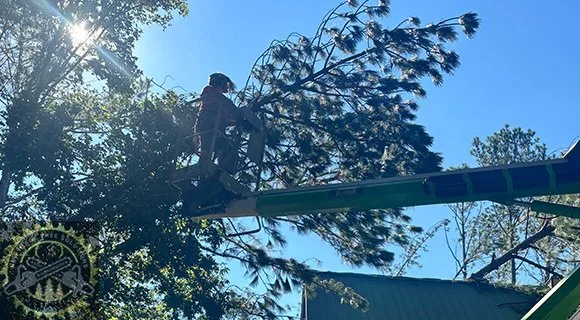
Trees sometimes require pruning or removal due to age, storm damage, disease, structural defects, or infestations.
Storm Damage - Trees damaged by high winds, lightning strikes, or severe weather may develop broken limbs, cracks, or compromised stability.
Advanced Age - Older trees can suffer structural decline, increasing the risk of failure. Professional assessment helps determine appropriate management options.
Disease Concerns - Tree removal may become necessary when disease has caused extensive decay or creates unacceptable safety risks. Examples include:
Advanced root rot
Severe trunk decay
Extensive canker diseases
Significant internal hollowing
Irreversible vascular diseases
Structural Problems - Removal may be recommended when serious structural defects threaten people or property. Examples include:
Significant trunk cracks
Multiple codominant stems with included bark
Severe leaning caused by root failure
Extensive root damage
Unstable tree architecture
Insect Infestations - Certain infestations can severely compromise tree health. Examples include:
Extensive bark beetle activity
Severe borer infestations
Insect damage causing widespread canopy decline
Infestations leading to irreversible structural deterioration
Professional arborists can determine whether pruning, treatment, monitoring, or removal represents the most appropriate course of action.
When to Call an Arborist
While many watering issues can be corrected through improved irrigation practices, certain situations warrant professional assistance.
Consider contacting an arborist when:
Trees exhibit sudden decline
Large branches die unexpectedly
Structural defects become visible
Storm damage occurs
Fungal growth appears around root zones
Significant insect activity develops
Trees lean unexpectedly
Root systems appear damaged
Disease symptoms worsen
Removal decisions become necessary
Professional arborists possess specialized training to diagnose complex tree health concerns and recommend appropriate solutions.
Call New Image Tree Solutions at 404-680-0041
landscape watering practices mistakes schedules call an arborist
If you are uncertain whether your landscape receives too much water, too little water, or if your trees are showing signs of stress, New Image Tree Solutions can help. Professional evaluation can identify watering issues, diagnose disease concerns, assess structural stability, and determine whether pruning, treatment, or removal may be necessary.
Experienced arborists can evaluate tree health, inspect root conditions, identify pest activity, and provide recommendations tailored to your property's specific needs. Early intervention often prevents costly damage while helping preserve valuable landscape assets.
Call New Image Tree Solutions today at 404-680-0041 to schedule a professional tree assessment.
Best Landscape Watering Practices
Proper landscape watering plays a critical role in maintaining healthy trees, shrubs, and other plant material. Throughout this article, readers learned how overwatering can damage root systems, increase disease risks, encourage pest activity, and reduce overall landscape health. They also discovered how to establish a practical watering schedule, recognize signs of excessive moisture, understand benefits associated with deep watering, and identify situations that require professional arborist assistance.
When watering practices align with actual landscape needs, trees and shrubs develop stronger root systems, improved drought tolerance, greater stability, and better long-term health. Proper irrigation management helps landscapes remain attractive, resilient, and productive throughout changing seasonal conditions.
Ignoring proper watering practices can result in declining tree health, disease development, root failure, structural instability, increased maintenance expenses, and potential safety hazards. Excess moisture often causes damage that remains hidden until significant decline has already occurred, making proactive landscape management an important part of protecting both property value and landscape investments.
(404) 680-0041