How To Avoid 5 Summer Tree Problems
Summer weather can place tremendous stress on trees, especially during periods of intense heat, drought, severe storms, and insect activity. Homeowners often notice browning leaves, dead branches, leaning trunks, or sudden limb failure during warmer months - without understanding what caused these issues. Ignoring early warning signs can quickly lead to dangerous tree failures, costly property damage, or irreversible decline. Learning how to recognize and avoid common summer tree problems can help property owners protect both their landscapes and surrounding structures.
tree issues in summer heat
New Image Tree Solutions gathered information on common summer tree problems, seasonal stress factors, disease risks, and preventive tree care practices to help homeowners better understand how to maintain healthy trees during hot weather. This article explains five major tree problems that frequently occur during summer months, how to avoid them, when to contact an arborist, and when tree pruning or removal may become necessary due to storms, disease, infestations, or structural instability.
Key Takeaways for Avoiding Summer Tree Problems
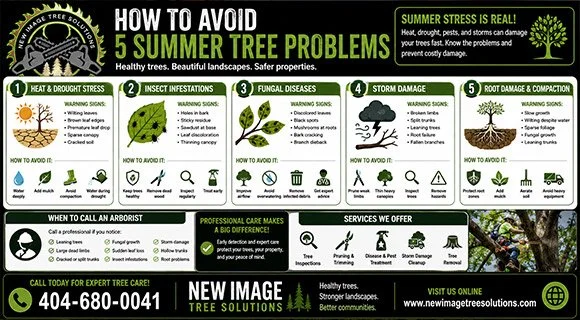
tree issues in summer heat infographic
One important takeaway is that summer stress affects trees much more aggressively than many property owners realize. Heat, drought, insects, fungal diseases, and storm damage often combine to weaken trees rapidly during warmer months. Trees already struggling with root damage, poor soil conditions, or age-related decline become especially vulnerable during prolonged heat exposure.
Another major takeaway involves early detection. Many serious tree problems begin with subtle warning signs such as leaf discoloration, premature leaf drop, bark splitting, dead twigs, or thinning canopy growth. Catching these symptoms early often allows arborists to diagnose and treat problems before trees become hazardous or unsalvageable.
Proper watering techniques also play a major role in (summer) tree health. Many homeowners either underwater or overwater trees during hot weather. Deep watering near root zones encourages stronger root systems; however, excessive shallow watering may weaken root development and increase disease risk.
Tree pruning and maintenance significantly improve summer resilience. Removing dead, diseased, or structurally weak limbs reduces stress and improves airflow throughout tree canopies. Proper pruning also reduces the risk of limb failure during summer thunderstorms and high wind events.
Insect infestations and fungal diseases frequently intensify during summer because warm temperatures create ideal breeding and growth conditions. Borers, aphids, scale insects, and fungal pathogens may attack weakened trees more aggressively during drought or heat stress. Professional arborists can identify infestation severity and recommend treatment options before permanent damage occurs.
Storm preparation represents another critical factor. Summer thunderstorms often produce strong winds, lightning, and saturated soil conditions that increase the risk of tree failure. Trees with poor branch structure, internal decay, or root instability may collapse during storms, damaging homes, vehicles, fences, or power lines.
Finally, professional arborist evaluations provide essential guidance when homeowners are uncertain about tree health, structural stability, or removal. Certified tree professionals can safely diagnose disease, assess structural hazards, and determine whether treatment, pruning, cabling, or removal represents the safest solution.
1. Heat and Drought Stress
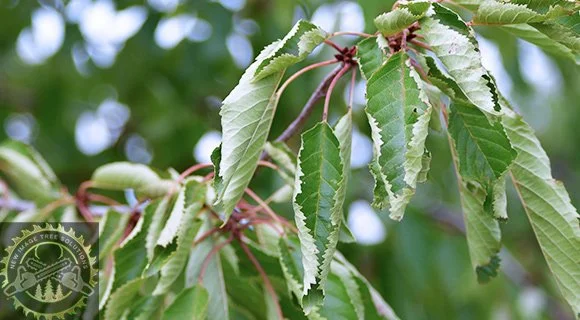
tree issues in summer heat wilted foliage
Summer heat and prolonged dry periods place significant stress on trees, particularly younger trees and recently planted species. Without adequate moisture, trees struggle to transport nutrients and maintain healthy foliage.
Warning Signs
Wilting leaves
Browning leaf edges
Premature leaf drop
Sparse canopy growth
Cracked soil around root zones
How To Avoid Heat and Drought Stress
Water deeply near the root zones
Apply mulch around tree bases
Avoid excessive soil compaction
Reduce competition from surrounding weeds
Schedule regular watering during drought conditions
Mulch helps retain moisture and regulate soil temperature while protecting root systems from excessive heat exposure.
2. Insect Infestations
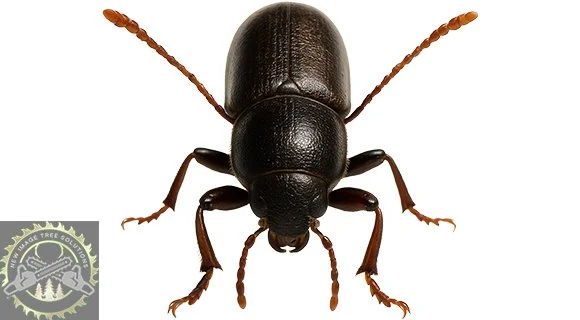
tree issues in summer heat insect infestation
Summer temperatures increase insect activity significantly. Weakened trees often attract pests that further accelerate decline.
Common Summer Tree Pests
Aphids
Bark beetles
Borers
Scale insects
Spider mites
Warning Signs
Holes in bark
Sticky residue on leaves
Sawdust-like material near the trunk bases
Leaf discoloration
Thinning canopy growth
How To Avoid Insect Problems
Maintain proper watering schedules
Remove dead wood promptly
Avoid damaging bark with equipment
Schedule professional inspections
Treat infestations early
Healthy trees generally resist pests more effectively than stressed or damaged trees.
3. Fungal Diseases
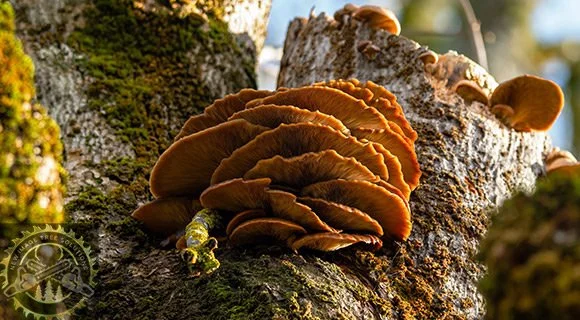
tree issues in summer heat fungal growth
Warm temperatures and humidity create favorable conditions for fungal growth during the summer months.
Common Summer Tree Diseases
Powdery mildew
Anthracnose
Root rot
Leaf spot diseases
Canker diseases
Warning Signs
Discolored leaves
Black spots on foliage
Mushrooms near roots
Bark cracking
Sudden branch dieback
How To Avoid Fungal Diseases
Improve air circulation through pruning
Avoid overwatering
Remove infected debris
Prevent standing water near roots
Schedule arborist evaluations when symptoms appear
Early treatment improves recovery chances and reduces disease spread throughout landscapes.
4. Storm Damage
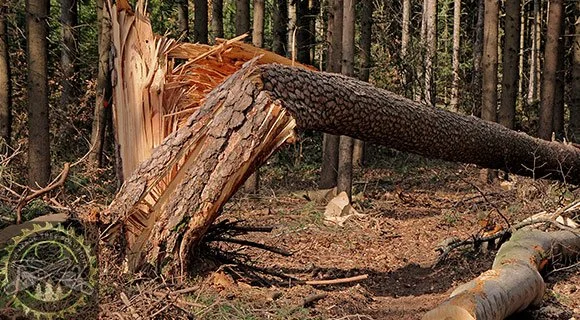
tree issues in summer heat severe storm damage
Summer thunderstorms can cause severe tree damage through strong winds, lightning, and saturated soil conditions.
Common Storm-Related Problems
Broken limbs
Split trunks
Leaning trees
Root failure
Fallen branches
How To Avoid Storm Damage
Remove structurally weak limbs
Prune overcrowded canopies
Inspect trees regularly
Install cabling or bracing when necessary
Remove hazardous trees before storm season
Trees with heavy canopies or poor branch attachments are especially vulnerable during high winds.
5. Root Damage and Soil Compaction
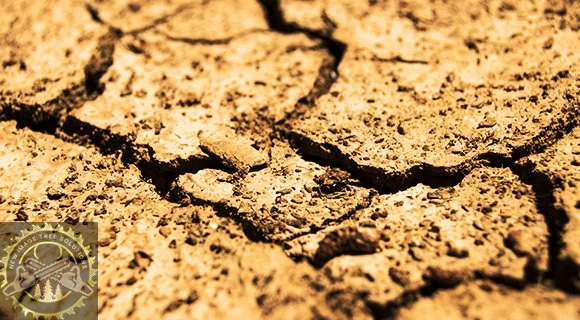
tree issues in summer heat compacted soil
Summer landscaping projects, construction activity, and heavy foot traffic can damage root systems and compact soil.
Warning Signs
Slow growth
Wilting despite watering
Sparse foliage
Fungal growth near roots
Leaning trunks
How To Avoid Root Damage
Avoid trenching near root zones
Minimize heavy equipment traffic
Maintain mulch around trees
Aerate compacted soil
Protect roots during construction projects
Healthy roots provide structural stability and help trees absorb water and nutrients effectively.
When To Call an Arborist
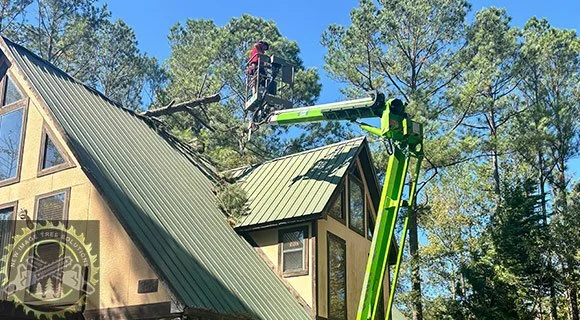
tree issues in summer heat calling an arborist
Professional arborists should be contacted whenever tree health or structural stability becomes uncertain.
Call an Arborist If You Notice:
Leaning trees
Large dead limbs
Cracked trunks
Fungal growth near roots
Sudden canopy thinning
Insect infestations
Storm-related structural damage
Hollow sections within trunks
Arborists use specialized training and equipment to diagnose problems safely and recommend appropriate treatment or removal solutions.
Call New Image Tree Solutions 404-680-0041
tree issues in summer heat and solutions
New Image Tree Solutions provides professional tree inspections, pruning, removals, storm cleanup, and arborist services for residential and commercial properties. Their experienced team understands seasonal tree health challenges and can help identify problems before dangerous failures occur.
Services may include:
Tree health evaluations
Emergency tree removal
Structural pruning
Storm damage cleanup
Disease diagnosis
Insect treatment recommendations
Hazard tree assessments
Professional tree care helps protect homes, landscapes, and surrounding property from avoidable damage.
When To Have Trees Pruned or Removed
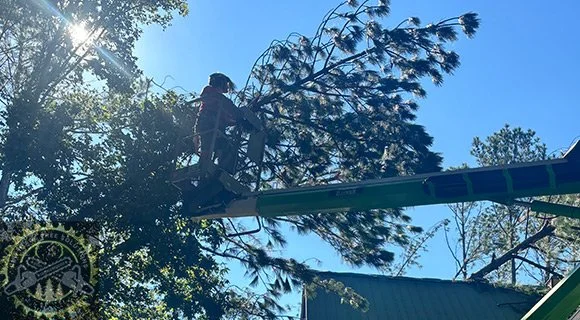
tree issues in summer heat pruning and removal
Tree pruning and removal become necessary under several conditions, including safety, disease, structural weakness, or infestation.
Trees May Require Pruning Because of:
Dead limbs
Overgrown canopies
Storm-damaged branches
Crossing limbs
Poor airflow
Structural imbalance
Trees May Require Removal Because of:
Severe trunk decay
Extensive insect infestation
Root failure
Dangerous leaning
Hollow trunks
Irreversible disease
Lightning damage
Major storm destruction
Examples of Removal Situations
A tree heavily infested with borers may become structurally unstable and dangerous near homes or driveways. Trees suffering from advanced root rot often lose anchoring strength and may collapse unexpectedly. Large trees split by lightning or severe storms may also require immediate removal if structural integrity cannot be restored safely.
Tree Problems In Summer Months
This article explained five major summer tree problems and how homeowners can avoid serious damage through preventive care and early detection. You learned how heat stress, insect infestations, fungal diseases, storm damage, and root problems affect tree health during warmer months. You also discovered when to contact an arborist and when pruning or removal may be necessary because of disease, infestation, storms, or structural instability.
Proper tree care and timely professional evaluations can improve tree health, reduce safety risks, and protect property from expensive storm damage or hazardous tree failures. Healthy trees also improve curb appeal, shade coverage, and overall landscape value.
Ignoring summer tree problems can lead to worsening disease, dangerous limb failures, property damage, declining landscape health, and costly emergency removals. Untreated structural issues or infestations may eventually create severe safety hazards for homes, vehicles, and nearby structures.
(404) 680-0041